When to Call an Emergency Electrician for a Power Outage
Learn what steps to take during a sudden blackout and when you need to call a licensed emergency electrician to protect your Los Angeles home from electrical hazards.
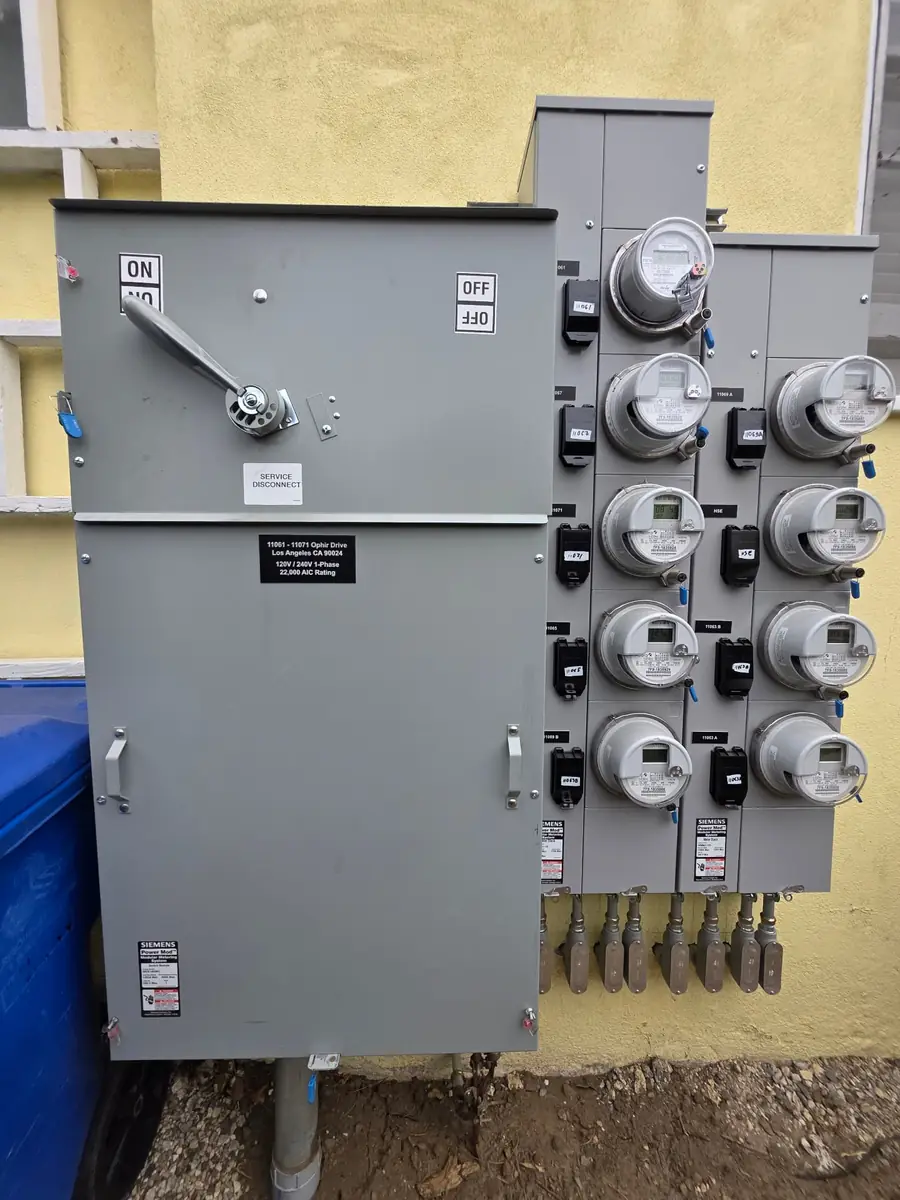
It is late in the evening in Los Angeles, the lights snap off, and the hum of your refrigerator falls dead silent. Sudden blackouts are frustrating, but they can also signal a hazardous electrical fault inside your walls. When the lights go dark, your first priority is figuring out whether the issue stops at the utility pole or if you need an emergency electrician to prevent a potential electrical fire.
At AA Electrical Services, we have answered emergency service calls across Los Angeles, Glendale, Pasadena, and the San Fernando Valley since 1991. Here is a practical, field-tested guide on how to evaluate a blackout, stay safe, and determine whether you need professional intervention right away.
Step 1: Diagnose the Scope of the Blackout
Before you grab your toolbox or search your phone for an emergency electrical service near me, run this quick preliminary diagnostic. It takes less than two minutes and will tell you who you actually need to call.
Look Out the Window
Check your street. Are the streetlights out? Are your neighbors' porch lights dark?
- If the whole street is dark: The issue lies with your utility provider (typically the Los Angeles Department of Water and Power (LADWP) or Southern California Edison (SCE)). Report the outage directly via their outage map or hotline. An electrician cannot repair utility-side high-voltage distribution lines.
- If your neighbors have power but your home is completely dark: The failure is isolated to your property's service drop, meter socket, or main electrical panel.
Check for a Partial Outage (Phase Loss)
In many Los Angeles homes—especially older mid-century properties in Sherman Oaks, Burbank, or North Hollywood—utility power enters through a 120/240-volt split-phase service. If one hot leg drops from the utility pole or burns out at your main breaker, you will experience a "partial outage."
Signs of a dropped phase include:
- Half the lights in your house work, while the other half are dead.
- 120V appliances run, but 240V heavy loads (central air conditioning, electric clothes dryers, EV chargers) fail to start or make an abnormal humming noise.
- Lights dim drastically when a large appliance attempts to kick on.
If you suspect a lost phase, switch off major 240V equipment immediately to avoid burning out appliance motors, then contact a licensed professional.
Quick Homeowner Triage Checklist
Follow this sequence to safely determine your next step:
- Unplug sensitive electronics: Computers, televisions, and charging stations should be unplugged to protect them against voltage surges when utility power is restored.
- Locate your main breaker panel: Use a flashlight—never light candles near an electrical panel.
- Inspect the main breaker: Look to see if the main 100-amp or 200-amp service disconnect has tripped into the center position. If tripped, push it firmly to the "OFF" position, then flip it back to "ON" once.
- Never force a breaker: If it snaps back open instantly with a spark, loud click, or buzz, stop touching it. You are dealing with a dead short or a severe ground fault.
- Check for physical heat or odor: Gently hover the back of your hand near the panel door. If the cover feels noticeably warm, do not open it.
Signs You Need a Power Outage Electrician Immediately
Some electrical problems can wait until regular business hours. Others pose an immediate structural or life-safety threat. If you observe any of the following warning signs, disconnect your family from danger and call a power outage electrician right away:
- Acrid, Fishy, or Burning Plastic Odors: Electrical insulation produces a distinct fishy or chemical smell when overheating. This indicates wiring or bus bars are reaching temperatures capable of igniting nearby framing wood or drywall paper.
- Buzzing, Sizzling, or Popping Sounds: Electricity should be silent. Arcing sounds indicate high-voltage current jumping air gaps between loose terminal screws, corroded bus bars, or failing breakers.
- Discolored Panel Covers or Outlets: Scorching, black soot, or melted plastic around switchplates or panel covers indicates sustained thermal runaway.
- Water Intrusion into Electrical Enclosures: During heavy Southern California winter storms, old weatherheads, rusted service masts, or roof leaks can funnel water straight down inside the service conduit into your main panel. Water and live high-amperage electricity create an immediate flashover hazard.
- Flickering Followed by Sparking: When an overhead service line tears loose from your fascia board due to wind or a fallen eucalyptus limb, the tension can tear the meter base completely off the house wall.
Why Prompt Action Matters: Code, Safety, and Equipment Load
Waiting days to address severe electrical faults rarely saves money. In fact, delaying repairs often turns a straightforward component replacement into an expensive whole-house rewiring project.
Fire Risk and Arc Faults
According to the National Fire Protection Association (NFPA), electrical distribution failures remain one of the leading causes of home structure fires. An arcing wire hidden inside a lathe-and-plaster wall can generate temperatures in excess of 1,000°F within milliseconds.
Modern Electrical Demand vs. Aging Infrastructure
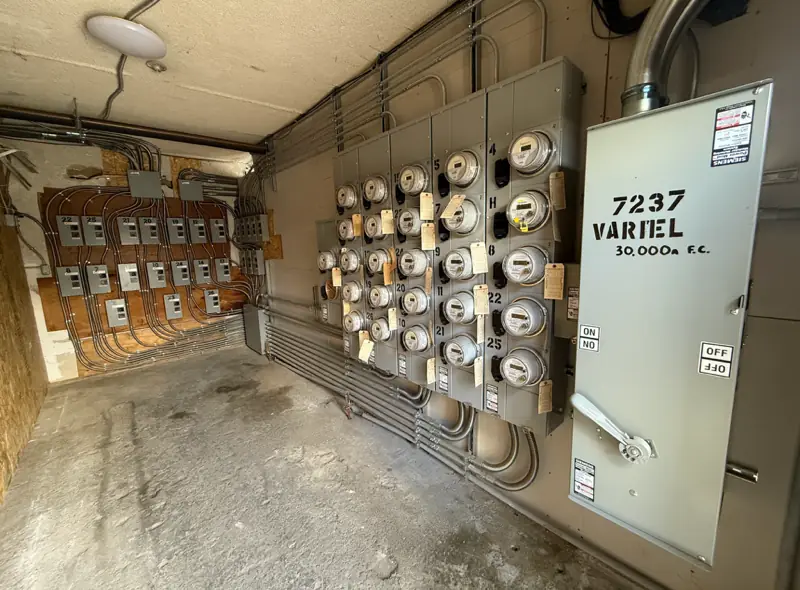
Many older homes across Los Angeles still run on obsolete 60-amp or 100-amp panels manufactured by brands with documented failure rates, such as Federal Pacific Electric (Stab-Lok) or Zinsco. When modern homeowners add modern split-system heat pumps, Level 2 electric vehicle chargers, and induction stoves, these legacy panels simply cannot handle the continuous load. Overheated panels fail during peak summer or winter usage, leading directly to panel lockouts and service disruptions.
To see how modern panel upgrades protect your home against recurring outages, explore our complete list of residential and commercial electrical services.
Insurance Claims and Proof of Professional Work
If an electrical fire occurs following unpermitted or DIY repairs, insurance adjusters can—and routinely do—deny property damage claims. Working with a state-licensed C-10 contractor ensures that every repair meets California Electrical Code (Title 24) standards and holds up to insurance scrutiny.
Permits, Inspections, and the LADBS Process
Minor emergency repairs—such as swapping out a damaged breaker or replacing a damaged section of branch wiring—can typically be executed immediately to stabilize your home. However, major service restoration often involves local municipal authorities.
If an emergency requires pulling the electrical meter or rebuilding your main service mast, LADBS (Los Angeles Department of Building and Safety) or your local municipal building department (such as the Burbank or Glendale Building Divisions) requires an emergency permit and a service release inspection before LADWP or SCE will safely re-energize the line.
A qualified 24 hour electrician understands how to coordinate directly with city building inspectors and utility dispatchers to minimize your home's downtime.
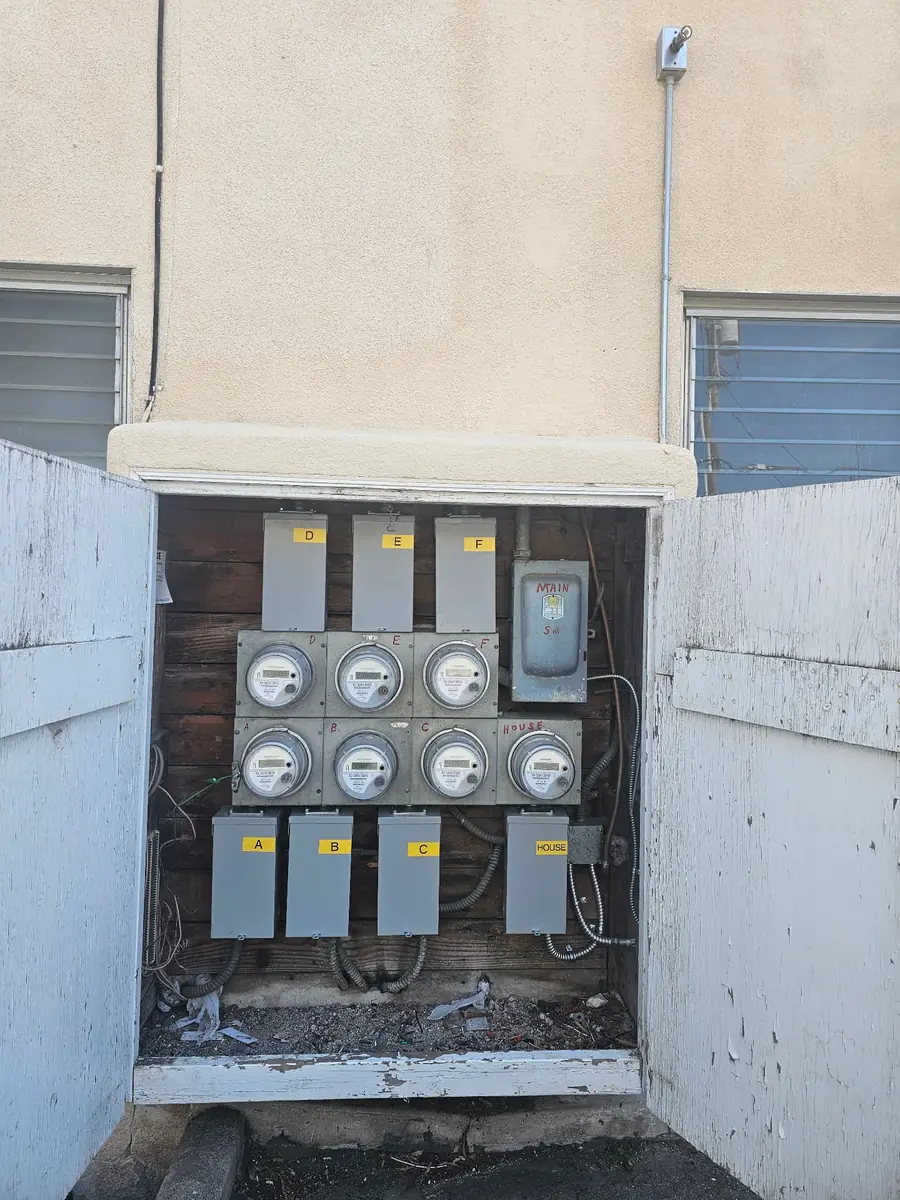
Cost Realities: What Drives Emergency Electrical Pricing?
Homeowners are often surprised by the cost structure of emergency service calls. Unlike scheduled maintenance visits during standard weekday hours, emergency responses involve distinct logistical requirements.
Factors that determine emergency repair costs include:
- Time of Callout: Late-night, weekend, and holiday mobilizations carry after-hours dispatch premiums due to standby labor costs.
- Diagnostic Complexity: A problem caused by an overloaded circuit breaker is faster to fix than diagnosing a hidden high-resistance neutral break inside a buried conduit or attic junction box.
- Parts Availability: If your panel uses rare, obsolete breakers, sourcing those parts off-hours requires emergency supplier access.
- Permit and Utility Fees: If the utility company must drop service at the pole to allow safe repairs, municipal inspection fees and utility reconnect charges may apply.
While basic diagnostic visits start with standard service dispatch fees, comprehensive emergency panel rebuilds or service mast replacements require detailed on-site assessment. For a clear, upfront assessment of your system, you can always request a detailed estimate online.
Frequently Asked Questions
Can I reset my main breaker multiple times during an outage?
No. You should attempt to reset a tripped breaker only once. If it trips again instantly, leave it alone. Breakers trip to prevent wires from overheating and catching fire. Repeatedly resetting a breaker against a short circuit can cause an arc flash explosion, permanently weld the breaker contacts together, or trigger an electrical fire.
What should I do if my power is out but my neighbors have lights?
First, verify whether your main breaker has tripped. If the breaker is on, check for signs of power phase loss or burning smells near the panel. If you notice no obvious hazards and your main breaker remains engaged, contact your utility provider to verify their service drop to your weatherhead is active. If the utility confirms active power to your meter, you need an emergency electrician to find the internal break.
Is a humming or buzzing circuit breaker dangerous?
A low, barely audible vibration can sometimes occur under heavy electrical loads, but distinct buzzing, humming, or sizzling is a severe hazard. This sound generally means the breaker is arcing against the bus bar or failing to trip despite carrying dangerous excess current. Shut off main power if safe to do so and call an electrician.
How quickly can an emergency electrician restore power to my house?
Response times depend on your location within the Los Angeles metro area and traffic conditions. Once on-site, straightforward faults (like a blown main disconnect or burnt subpanel lug) can often be diagnosed and stabilized in 1 to 3 hours. If structural utility hardware, overhead masts, or city service releases are required, full restoration may involve scheduling with city inspectors and utility crews.
Get Reliable Emergency Electrical Help in Los Angeles
When your electrical panel fails or power goes out under dangerous circumstances, do not take chances with unverified handymen or delayed service. You need an experienced, licensed team that prioritizes safety, follows the National Electrical Code, and gets the job done right the first time.
Call AA Electrical Services today at (818) 437-6736 for fast, professional troubleshooting, or visit our contact page to reach our experienced team. If you want to evaluate your system before an outage occurs, request a free estimate for a panel upgrade or safety inspection today.