Pre Purchase Electrical Inspection in LA: What Inspectors Miss
Buying a home in Los Angeles? Standard home inspectors miss critical electrical fire hazards. Learn why a dedicated C-10 electrical inspection saves thousands.
When buying a home in Southern California's fast-moving real estate market, your inspection contingency period passes in the blink of an eye. Most buyers rely on a general home inspector to evaluate the roof, plumbing, foundation, and electrical system in under three hours. While general inspectors provide a helpful overview, they are not licensed electricians. Investing in a thorough pre purchase electrical inspection from a licensed C-10 electrical contractor often makes the difference between buying your dream home and inheriting a fire hazard with a $20,000 hidden rewiring bill.
At AA Electrical Services, we have inspected and repaired residential electrical systems across Los Angeles, Glendale, Pasadena, and the San Fernando Valley since 1991. We routinely walk into newly purchased homes where buyers received a "clean" general report, only to discover severe hidden hazards inside the walls, attics, and service panels.
General Home Inspector vs. Electrician Home Inspection in Los Angeles
A general home inspector operates under limited standards of practice. They test a sampling of accessible wall outlets with a three-light plug tester, open the dead front of the main panel if it is safely reachable, and confirm whether light switches turn fixtures on or off. They are explicitly prohibited from performing intrusive testing or calculating actual electrical capacity.
By contrast, hiring a professional for an electrician home inspection in Los Angeles gives you an exhaustive diagnostic evaluation. A licensed C-10 electrician assesses:
- Total Service Capacity & Load Calculation: Determining whether the existing utility service can support central air, EV charging, induction cooking, or pool equipment.
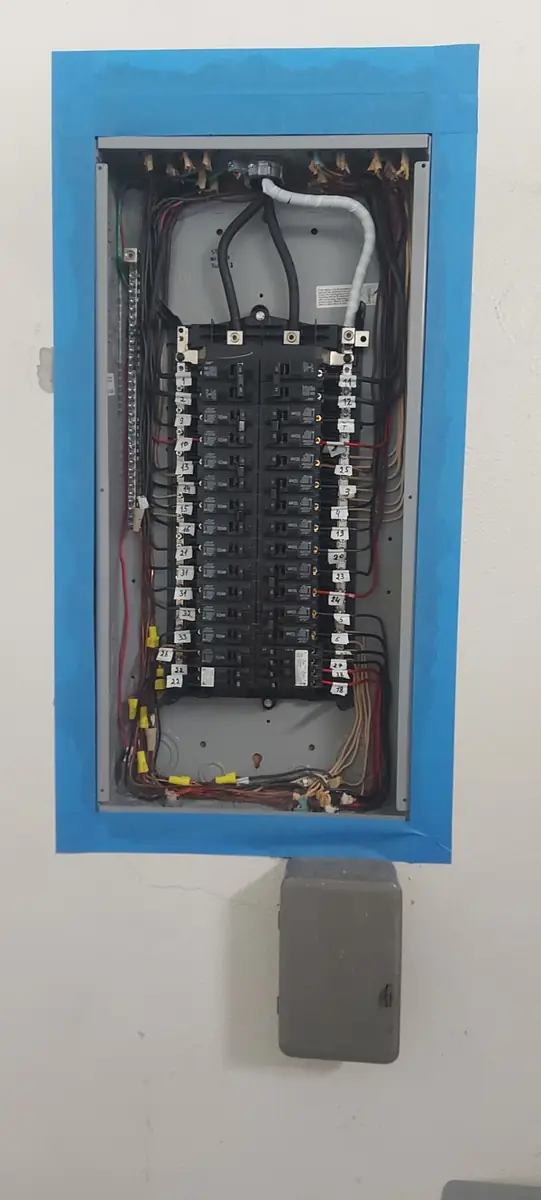
- Internal Panel Busbar Health: Checking for heat stress, micro-arcing, corrosion, aluminum-to-copper incompatibility, and mismatched breaker brands.
- Concealed Wiring Methods: Inspecting attics, basements, and sub-panels to verify branch circuits are properly sized, joined in approved junction boxes, and grounded.
- Permit & Code Compliance: Flagging unpermitted renovations, ungrounded circuits disguised as modern grounded outlets, and obsolete safety devices.
Critical Hazards Standard Inspections Regularly Miss in LA Homes
Los Angeles features some of the most diverse—and aging—housing stock in the country. From 1920s Spanish revivals in Silver Lake to 1950s mid-century ranches in Burbank and Woodland Hills, older infrastructure poses unique hidden challenges.
1. Obsolete & High-Risk Breaker Panels
General inspectors typically note the panel brand, but they rarely understand the deep mechanical failure rates of specific vintage hardware. Panels from Zinsco, Federal Pacific Electric (FPE Stab-Lok), and old Pushmatic or split-bus configurations are notorious for catastrophic failures:
- Federal Pacific Stab-Lok: Independent testing has shown that breaker failure rates can exceed 50% under sustained overload conditions, meaning the breaker fails to trip, allowing wires to overheat inside framing.
- Zinsco Panels: Breakers often melt directly onto the aluminum busbar, creating severe arcing and leaving circuits permanently energized even when switched "off."
Insurance carriers across California frequently refuse to write policies or demand immediate replacement for homes with FPE or Zinsco panels before closing.
2. "Bootleg" Grounds Hiding Two-Wire Systems
Many mid-century homes built before 1962 rely on two-wire ungrounded branch circuits. Flippers and unqualified handymen frequently replace old two-prong outlets with modern three-prong grounded outlets without running an equipment grounding conductor. To fool a simple outlet tester, they connect a small jumper wire between the neutral screw and the ground screw.
This trick, known as a bootleg ground, makes an inexpensive handheld tester display two amber lights indicating "correct wiring." However, it creates a dangerous condition: if the neutral wire ever degrades or breaks upstream, every metal appliance chassis plugged into that circuit can become energized at 120 volts, creating an immediate electrocution hazard. A specialized electrical inspection detects bootleg grounds instantly using advanced circuit analyzers.
3. Knob-and-Tube Buried Under Attic Insulation
Knob-and-tube wiring (K&T) was installed throughout Los Angeles until roughly the late 1940s. While open-air K&T in good physical condition can carry nominal loads, it poses a direct fire risk when homeowners blow modern cellulose or fiberglass insulation over it in attics to improve energy efficiency. Knob-and-tube conductors depend on open air to dissipate heat. When smothered by insulation, heat builds rapidly, degrading the cloth and rubber insulation until bare copper touches flammable wood framing.
4. Unpermitted Garage Conversions and ADUs
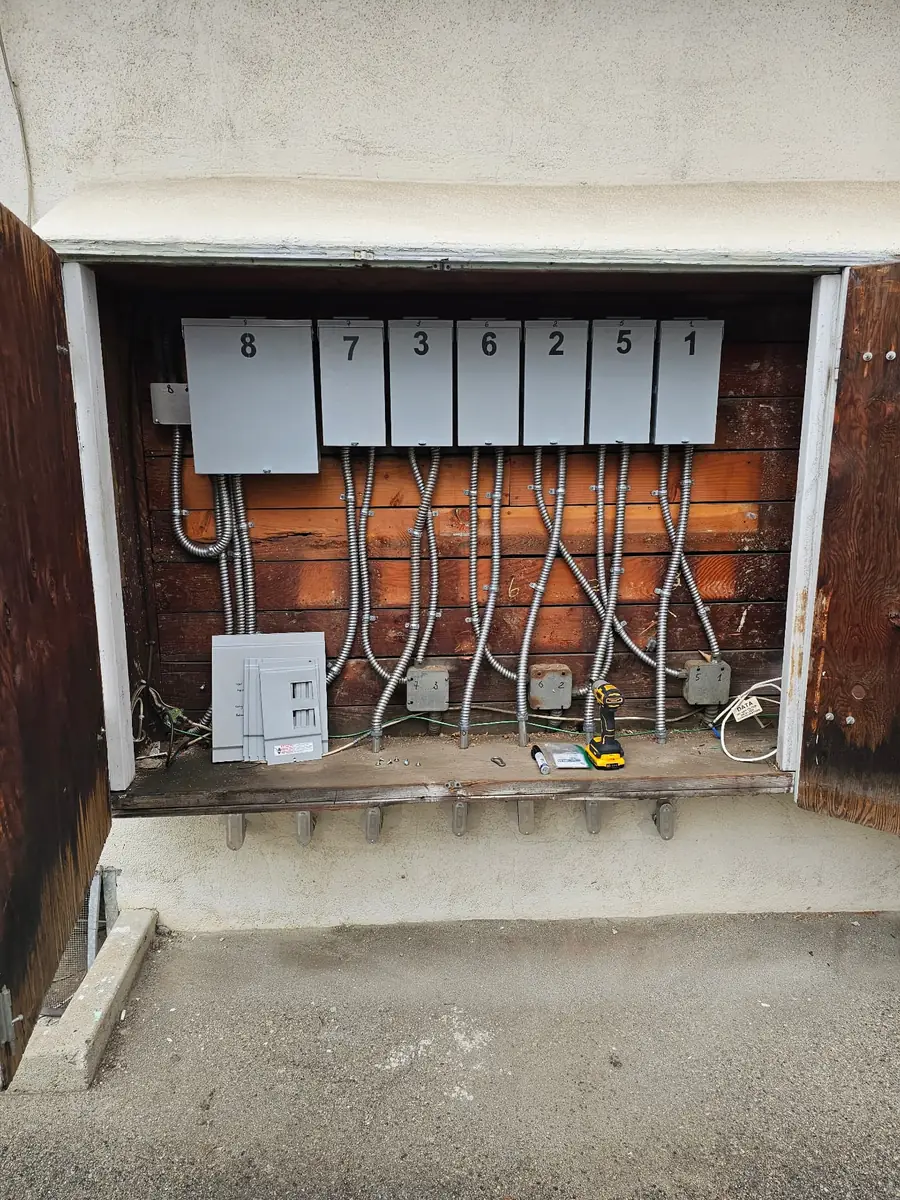
With the state's ADU boom, thousands of garages in North Hollywood, Van Nuys, and Long Beach have been converted into living quarters. Many were wired without Los Angeles Department of Building and Safety (LADBS) permits. We frequently see subpanels tapped illegally straight off the meter, undersized feeder cables buried mere inches below garden soil instead of conduit at proper burial depth, and circuits sharing neutrals without required breaker ties.
Future Electrical Demands: Heat Pumps, EV Chargers, and Solar
When purchasing a home, you must look beyond whether the lights turn on today. California's aggressive decarbonization codes and local municipal incentives mean your future home will need substantially more electrical throughput than it did thirty years ago.
Consider typical residential demands:
- Level 2 EV Charger: Requires a dedicated 40-amp to 60-amp 240V circuit.
- Heat Pump HVAC Conversion: Replaces old gas furnaces with 30-amp to 50-amp electrical systems.
- Induction Cooktop & Heat Pump Water Heater: Demands another 30 to 50 amps of 240V power.
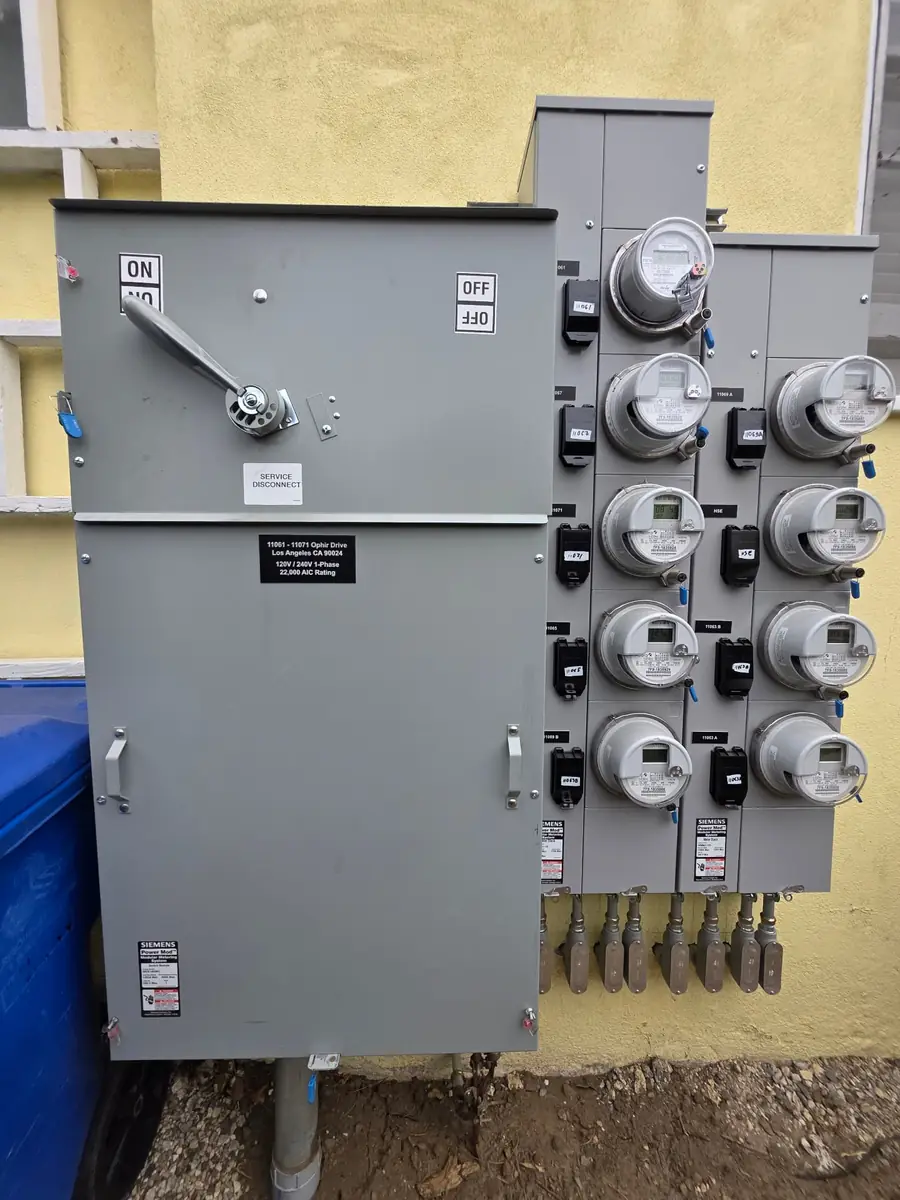
A home with a standard 100-amp service—common across Santa Monica, Torrance, and Sherman Oaks—simply cannot safely power these additions without a main service panel upgrade to 200 amps. During our residential electrical services evaluation, we provide a National Electrical Code (NEC) load calculation so you know exactly what the home can handle before you submit your final repair requests to the seller.
Inspection Checklist: General Inspector vs. Licensed Electrician
| Item Evaluated | General Home Inspector | Licensed C-10 Electrician | Real-World Impact | | :--- | :--- | :--- | :--- | | Wall Outlets | Basic 3-light plug test | Arc-fault, ground-fault, and tension load testing | Identifies hidden bootleg grounds & fire hazards | | Main Panel | Visual check of dead front cover | Busbar integrity, torque marks, thermal imaging | Catches melted busbars & catastrophic breaker failure | | Load Calculation | Not performed | Formal NEC Article 220 service calculation | Reveals if you can add AC, solar, or an EV charger | | Concealed Wiring | Mentions visible attic wiring | Traces active vs. inactive knob-and-tube, cloth NM | Prevents uninsurable homes and attic fires | | Permit Verification | Advises buyer to check records | Cross-references physical panel layout with LADBS rules | Avoids city code violations and stop-work orders |
Red Flags: Signs You Should Not Waive Contingencies
If you notice any of the following symptoms during a walk-through, request an emergency licensed inspection before signing closing documents:
- Flickering or dimming lights when large appliances like refrigerators or central AC cycle on.
- Buzzing, hissing, or crackling sounds originating from behind switch plates or inside the main panel.
- Warm or discolored switch plates, indicating loose terminations or overloaded conductors.
- A panel door without an inspection sticker, suggesting non-permitted alterations.
- Fuses instead of circuit breakers, indicating the home's electrical service has not been modernized in at least 60 years.
Home Electrical Inspection Cost and Permitting Reality in Los Angeles
The typical home electrical inspection cost in Los Angeles ranges from $250 to $600, depending on square footage, whether the home has a detached guest unit or subpanels, and the complexity of the service equipment. When weighed against the cost of a full whole-home rewire ($12,000 to $30,000+) or a service panel upgrade ($3,500 to $6,500+), an independent inspection is one of the highest-ROI investments you can make during escrow.
Furthermore, electrical repairs in Southern California require proper permitting and inspections through the local jurisdiction—whether that is LADBS, Glendale Water and Power, Burbank Building Division, or the County of Los Angeles. Unpermitted work discovered later can complicate insurance claims, trigger municipal citations, and stall future property sales. You can contact our team to learn more about navigating regional permit requirements.
Frequently Asked Questions
How much does a home electrical inspection cost in Los Angeles?
A standalone pre-purchase electrical inspection by a licensed C-10 contractor generally runs between $250 and $600 for single-family homes. Factors affecting the fee include property square footage, accessibility of attics and crawlspaces, the presence of subpanels, and whether you require a formal written repair estimate for escrow negotiations.
Can a home pass general inspection with unsafe electrical wiring?
Yes. General inspectors work under limited visual standards. They do not remove devices from wall boxes, run diagnostic continuity tests on hidden grounds, or pull load calculations. Many homes receive an acceptable general report despite containing hazardous Zinsco panels, overloaded neutral wires, or bootleg grounds.
Will homeowners insurance cover a house with knob-and-tube or Zinsco panels?
Major insurance carriers in California are increasingly canceling policies or denying coverage on homes with active knob-and-tube wiring or known problematic panels like Zinsco and Federal Pacific. Often, buyers must agree to replace these panels within 30 days of purchase to secure permanent coverage.
How long does a pre purchase electrical inspection take?
A comprehensive electrical inspection for an average 1,500- to 2,500-square-foot home typically takes 60 to 90 minutes on site. The electrician inspects the service drop, meter, main disconnect, branch panels, attic wiring, grounding electrode system, and representative outlets throughout the interior and exterior.
Protect Your Investment Before Escrow Closes
Do not let hidden electrical hazards turn your new Los Angeles home into a financial burden. Backed by over three decades of field experience, the licensed C-10 professionals at AA Electrical Services deliver the detailed clarity you need to negotiate repair credits, ensure safety, and plan for your family's modern power needs.
Call our local office directly at (818) 437-6736 or request an inspection online to get a free estimate today.