
Outlet Not Working? GFCI Resets & When to Call an Electrician
Discovered an outlet not working in your home? Learn how to troubleshoot tripped breakers, reset stubborn GFCI receptacles, and know when to call a pro.
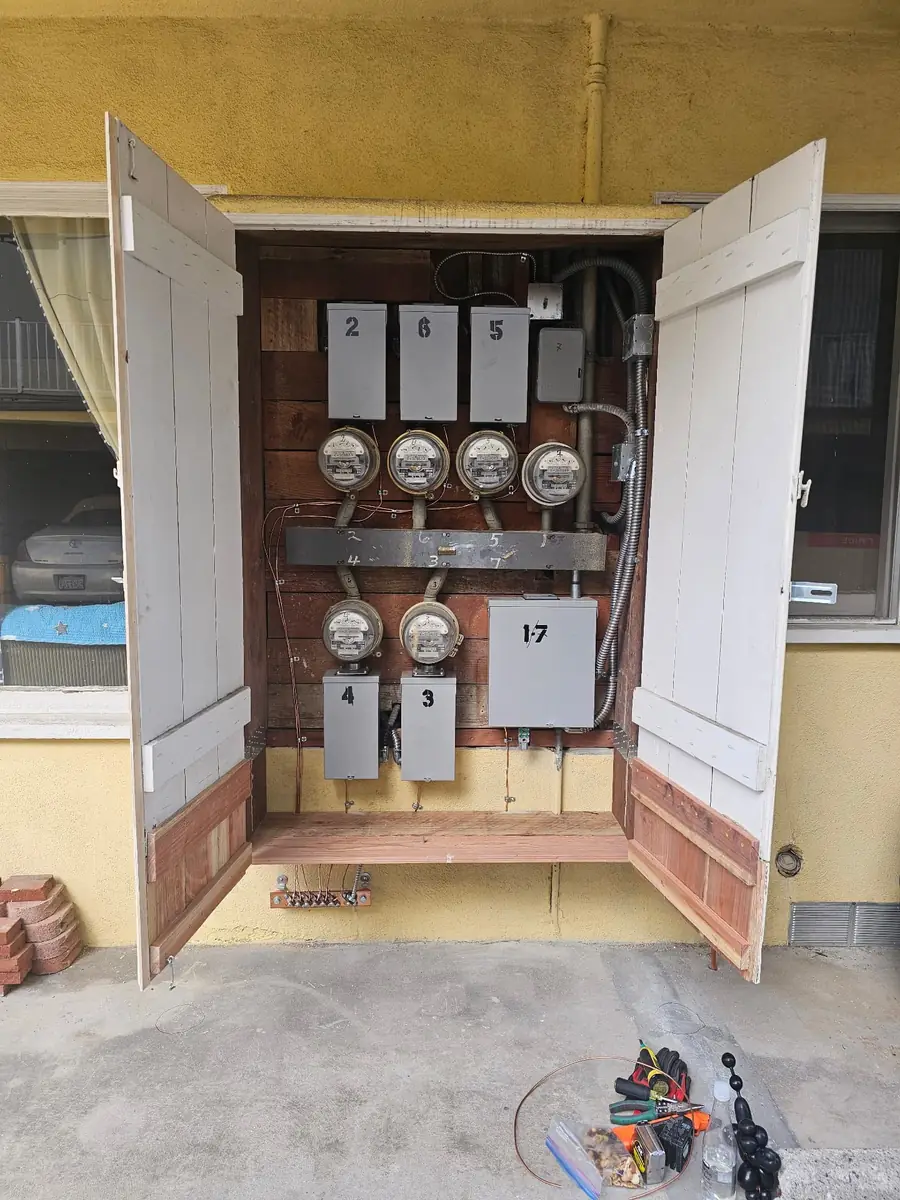
You plug in your morning coffee maker or sit down at your home office desk, and nothing happens. Discovering an outlet not working is an everyday frustration for Los Angeles homeowners, but it is also one of the most common warning signals your electrical system can send. In many cases, the fix is as simple as pushing a reset button or flipping a circuit breaker. In other cases, a dead receptacle points to hidden fire hazards, aged wiring, or loose connections deep inside your wall.
At AA Electrical Services, we have inspected, repaired, and replaced residential electrical systems across Los Angeles, Glendale, Burbank, and Santa Monica since 1991. Here is a practical guide to diagnosing dead receptacles, understanding why a GFCI refuses to reset, and knowing exactly when it is time to stop DIY troubleshooting and bring in a licensed professional.
Common Reasons for an Outlet Not Working
When a plug stops delivering power, the breakdown typically occurs at one of three levels: the device itself, the circuit wiring, or the breaker panel.
1. A Tripped Breaker in the Service Panel
Circuit breakers are safety valves designed to cut power before conductors overheat and catch fire. If you run a high-draw appliance—like an electric space heater, portable air conditioner, or hair dryer—on the same 15-amp or 20-amp circuit as other electronics, the breaker will trip.
- What to look for: Look for a breaker handle resting in the middle "neutral" position rather than fully in the "ON" position. Some modern breakers show a small red or orange window when tripped.
- The fix: Switch the handle completely to the "OFF" position first to reset the spring mechanism, then firmly push it back to "ON."
2. A Tripped GFCI Receptacle Upstream
Ground Fault Circuit Interrupter (GFCI) outlets monitor the balance of electrical current between hot and neutral conductors. If the device detects even a fractional leak of current to ground (as low as 4 to 6 milliamperes), it trips in less than a tenth of a second to prevent electrocution.
In many Los Angeles homes—especially homes built between the 1970s and 2000s in neighborhoods like Sherman Oaks, Pasadena, or North Hollywood—builders daisy-chained multiple standard receptacles to a single "upstream" GFCI located in a kitchen, bathroom, or garage. If that master unit trips, every standard plug downstream goes completely dead.
3. Loose or Failed "Backstabbed" Connections
During the 1980s and 1990s, tract home builders often used quick-wire "push-in" or "backstab" terminals on the back of receptacles instead of wrapping conductors securely around the side screw terminals. Over decades of thermal expansion and contraction (heating under load, cooling when idle), these push-in spring clamps lose tension. A wire pulls slightly free, cutting power to that receptacle and anything wired past it on the circuit.
4. Burned or Damaged Receptacles
Outlets have internal brass contact wipers that grip the prongs of your plugs. Over 15 to 25 years of plugging and unplugging appliances, these contacts wear out. Loose contacts create electrical resistance, resistance produces heat, and heat eventually chars the plastic housing or oxidizes the copper wiring, causing an internal open circuit.
Quick Troubleshooting Checklist for Homeowners
Before searching online for electrical repair near me, walk through these non-invasive safety steps:
| Step | Action | Expected Result | What It Means If It Fails | | :--- | :--- | :--- | :--- | | 1. Test the Appliance | Plug a known working lamp into a different room. | Lamp lights up. | The appliance is fine; the outlet is dead. | | 2. Check the Breaker Panel | Inspect every breaker handle. | All levers are fully "ON." | An internal breaker trip or dead connection exists elsewhere. | | 3. Locate Upstream GFCIs | Inspect bathrooms, kitchens, garage, exterior plugs. | Reset button clicks inward. | If the button won't stay in, there is an active ground fault or bad GFCI. | | 4. Check the Wall Switch | Flip wall switches in the room. | Outlet regains power. | The outlet is a "half-hot" switched receptacle intended for lamps. |
If you have a gfci outlet not working and the "RESET" button pops right back out every time you depress it, do not force it. That mechanism is designed to refuse power under two conditions: the outlet has reached the end of its operational lifespan (typically 7–10 years), or there is an active short circuit or line-to-ground fault present on the wiring downstream.
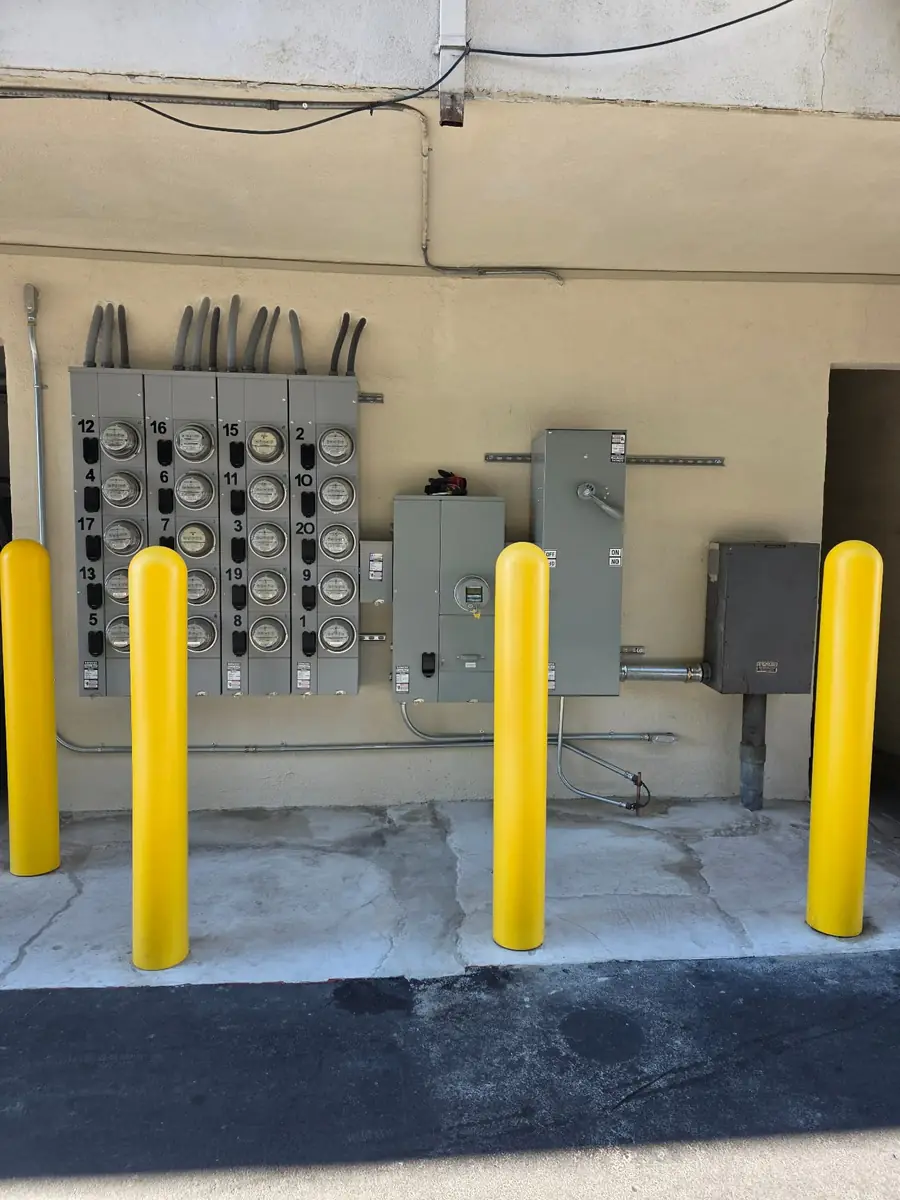
Signs You Should Not Wait to Call an Electrician
While a single dead plug behind a couch might seem like a mild inconvenience, certain symptoms mean that outlet is an immediate fire or shock risk. Shut off the breaker governing that room and contact a licensed contractor immediately if you notice:
- Discoloration, scorching, or melting: Any browning, yellowing, or black soot on the faceplate or wall indicates sustained arcing and temperatures exceeding 300°F.
- Audible buzzing, sizzling, or clicking: Electricity is normally silent. A buzzing or popping sound means current is jumping through air gaps between loose conductors (arcing).
- Burning plastic or "fishy" odor: Electrical insulation releases an acrid, fish-like chemical smell when overheating.
- Warm or hot faceplates: An outlet plate should never feel warm to the touch unless a low-voltage transformer (like a nightlight) has been plugged in.
- Two-prong ungrounded outlets in older homes: If your home was built before 1965 and still has original ungrounded two-prong plugs, modern sensitive electronics and appliances risk shorting to metal chassis components.
If you see any of these conditions, visit our /services page to review our diagnostic procedures or get in touch through our /contact page.
The True Cost of Delaying Dead Outlet Repair
Ignoring a dead receptacle rarely saves money. In Southern California, older residential electrical infrastructure is already working at near-maximum capacity due to modern additions: multi-ton air conditioners fighting summer heatwaves, EV chargers, heat pump water heaters, and home computers.
- Electrical Fires: According to the National Fire Protection Association (NFPA), electrical distribution equipment is a leading cause of home structure fires. A dead outlet caused by an open neutral or arcing junction box inside an attic or drywall cavity can ignite surrounding framing and insulation.
- Insurance Denials: If an electrical fire breaks out and an investigation determines unpermitted, substandard DIY wiring was the cause, California insurance carriers can scrutinize, delay, or deny claims.
- Damaged Appliances: Loose neutral connections can cause voltage swings across your 120V circuits, sending up to 240 volts into delicate electronics, televisions, and refrigeration compressors.
What Does Professional Repair Cost?
A legitimate dead outlet repair can range from $175 to $350 for standard diagnostic time and replacing a faulty GFCI or broken device with commercial-grade hardware.
However, costs can scale higher depending on several real-world factors:
- Panel issues: If the dead outlet is caused by a damaged breaker busbar or an obsolete, uninsurable Zinsco or Federal Pacific panel, replacing that breaker or the service panel will be required.
- Rewiring: If mice, heat, or age degraded the NM cable inside the wall, a new home-run circuit might need to be fished from the panel.
- Permits and Inspections: When adding new circuits or replacing service equipment, the Los Angeles Department of Building and Safety (LADBS) or local municipal building departments (such as Burbank or Santa Monica) require permits and safety sign-offs to guarantee compliance with the California Electrical Code (Title 24).
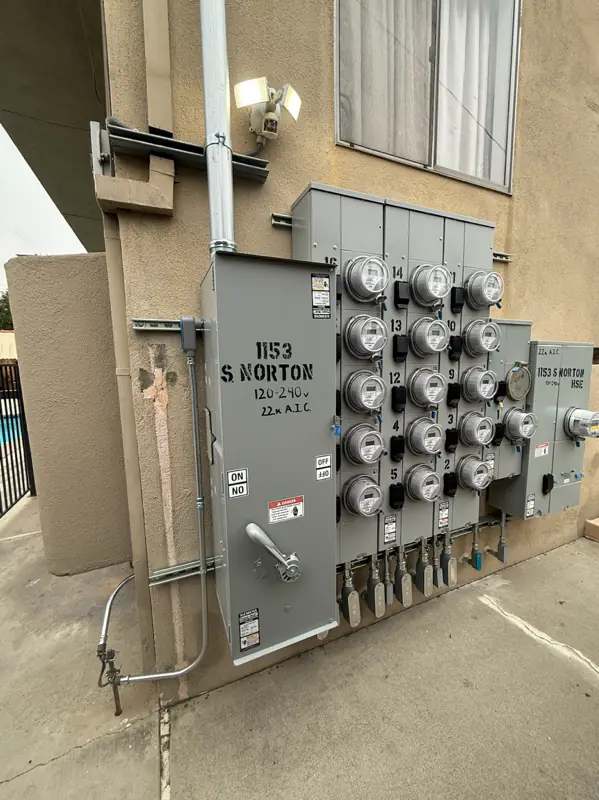
Frequently Asked Questions
Why is my GFCI outlet not working even after pressing reset?
Modern GFCIs manufactured under current UL standards feature an "auto-monitoring" or self-test mechanism. If the internal sensor detects that the protective circuit has failed, it permanently locks out power and will not allow the reset button to latch. Alternatively, if a dead short exists anywhere on the wires running to downstream outlets, the GFCI will trip instantly the microsecond you push the button in.
Can one dead outlet cause others on the same wall to stop working?
Yes. Residential circuits are almost always wired in series or "daisy-chained." Current travels from the service panel to Outlet A, then to Outlet B, then to Outlet C. If the connection inside Outlet A loosens or burns out, power cannot bridge across to Outlet B or C, leaving half your room without power.
How do I know if I need emergency electrical repair near me?
If you smell burning plastic, hear constant arcing/crackling, see smoke, or if multiple breakers trip simultaneously and refuse to reset, treat the situation as an urgent hazard. Cut power to the affected circuits at the main panel and call a licensed electrician immediately.
Is it safe to replace an outlet myself?
Replacing an outlet requires more than matching wire colors. You need to verify circuit de-energization with a reliable multimeter, pigtail connections correctly, use the proper torque specs on terminal screws, check for box fill capacity, and ensure grounding continuity. If you have older cloth-jacketed wiring, knob-and-tube, or aluminum branch wiring, DIY work can easily spark an in-wall fire.
Restore Safe Power to Your Home Today
Don't let a mystery dead outlet compromise your home's safety or leave you running extension cords across doorways. AA Electrical Services brings more than three decades of licensed, bonded, and insured C-10 electrical experience to homes and multi-family buildings throughout Los Angeles, Pasadena, Glendale, and surrounding communities.
Call our master electricians today at (818) 437-6736 or request an upfront inspection and consultation through our /get-estimate page.