
Landlord Electrical Responsibility California: Habitability Guide
A licensed electrician's guide to landlord electrical responsibility in California, rental habitability laws, LADBS code compliance, and preventing liabilities.
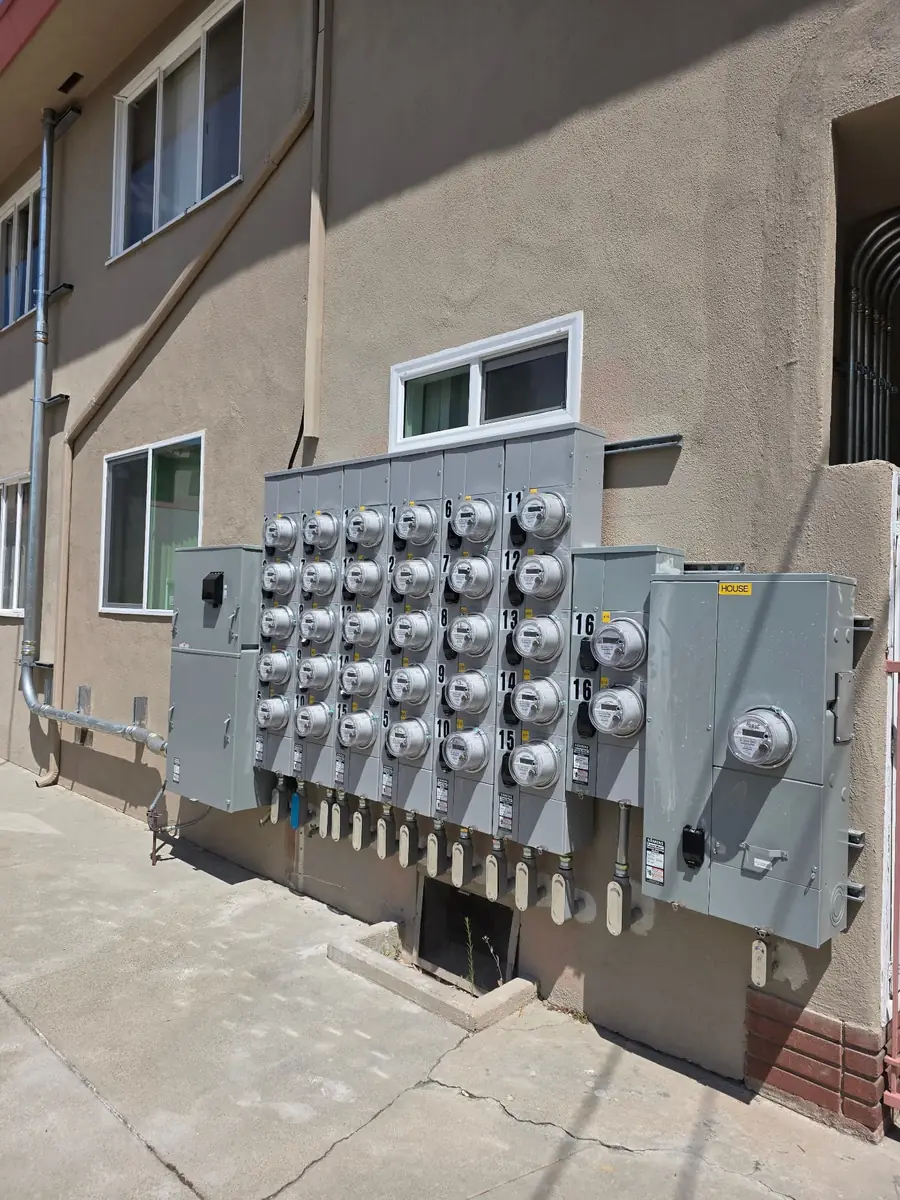
Under state law, property owners carry strict legal obligations to provide safe, fully functional living spaces. When it comes to landlord electrical responsibility california statutes leave very little room for interpretation. If an outlet sparks in an apartment in North Hollywood, a breaker constantly trips in a Santa Monica duplex, or ungrounded wiring poses a shock hazard in a Glendale rental, the landlord is legally obligated to resolve it promptly.
Failing to address electrical defects does not just trigger tenant disputes—it exposes landlords to severe financial penalties, rent withholding, tenant lawsuits, and citations from the Los Angeles Housing Department (LAHD) or Los Angeles Department of Building and Safety (LADBS). Since 1991, AA Electrical Services has helped multi-family and single-family property owners maintain safe properties, clear code violations, and protect their investments across Southern California.
California Habitability Laws and Electrical Standards
California law establishes an "implied warranty of habitability" in every residential lease. This doctrine mandates that a rental unit must be fit for human occupation throughout the duration of the tenancy.
California Civil Code Section 1941.1
Under California Civil Code § 1941.1, a dwelling is deemed untenantable (uninhabitable) if it lacks:
- Electrical lighting, wiring, and electrical equipment that conformed with applicable law at the time of installation.
- Equipment and wiring maintained in good working order.
This means that even if a building was constructed in 1948, the original electrical infrastructure must remain safe, intact, and functional. If an installation degrades, corrodes, or breaks down, the landlord must make prompt repairs.
California Health and Safety Code Section 17920.3
Under this statute, any building or portion thereof is declared a "substandard building" if hazards exist such as:
- Defective or deteriorating electrical wiring.
- Wiring not installed in accordance with all applicable laws in effect at the time of installation.
- Wiring that has not been maintained in good condition or is not being used in a safe manner.
When a property is cited under Health and Safety Code § 17920.3, the owner faces compliance orders with tight deadlines, reinspection fees, and potential civil litigation.
Rental Property Electrical Code: What Landlords Must Maintain
Meeting the baseline rental property electrical code requires continuous maintenance, not just occasional reactive fixes when a tenant complains.
Dedicated Circuits and Modern Demands
Decades ago, a 60-amp or 100-amp service could easily handle an apartment's load. Today, tenants run portable AC units, air fryers, gaming PCs, and electric vehicle chargers. Older split-bus or screw-in fuse boxes cannot safely manage these demands. When circuits overload, tenants may use multi-plug adapters and extension cords, creating severe fire hazards. Upgrading to a modern 200-amp service through dedicated services prevents nuisance tripping and protects your property's framing from hidden wall fires.
GFCI and AFCI Protection
Ground Fault Circuit Interrupters (GFCIs) are required in areas exposed to moisture, including kitchens, bathrooms, garages, outdoor outlets, and laundry rooms. If an older building does not have GFCI protection, installing these devices is one of the most cost-effective ways to prevent deadly electrocutions and bring units closer to current safety expectations. Arc Fault Circuit Interrupters (AFCIs) detect hazardous electrical arcing—a leading cause of residential electrical fires.
Functional Outlets, Switches, and Light Fixtures
Every habitable room must have operating lighting fixtures and working electrical receptacles. Dead outlets, loose plugs that fall out of wall sockets, and flickering light fixtures must be serviced by a licensed C-10 electrical contractor.
Landlord vs. Tenant: Who Is Responsible?
Understanding where ownership duty ends and tenant responsibility begins prevents unnecessary friction and legal exposure:
| Item / Scenario | Landlord Responsibility | Tenant Responsibility | | :--- | :--- | :--- | | Main panel, subpanels, & breakers | Full repair, replacement, and code compliance | Safe operation; not overloading circuits | | In-wall wiring and junction boxes | Mandatory upkeep, fault repair, rewiring | Must not tamper, drill into, or modify | | GFCI & standard wall outlets | Ensuring operational, grounded/GFCI outlets | Reporting loose or non-working sockets | | Tenant-supplied appliances | None (unless specified in lease) | Repairing own microwave, TV, or washer | | Burned-out light bulbs | Initial working bulbs at move-in | Routine day-to-day bulb replacement | | Physical damage caused by tenant | Can charge repair back if documented | Responsible for negligent physical damage |
Why Prompt Apartment Electrical Repair in Los Angeles Matters
Delaying an apartment electrical repair los angeles landlords might dismiss as "minor" carries substantial, compounding risks:
- LAHD and SCEP Inspections: The Los Angeles Housing Department conducts routine inspections under the Systematic Code Enforcement Program (SCEP). An ungrounded outlet, exposed junction box, or unpermitted breaker panel will trigger an immediate Notice to Comply. If uncorrected within the mandated 30-day window, you face hefty reinspection fees, rent freezes, and referral to the City Attorney.
- Insurance Cancellation and Claim Denial: Insurance carriers routinely perform exterior and interior audits. If an adjuster discovers outdated cloth wiring, Zinsco panels, or Federal Pacific Electric (FPE) panels, they may issue a cancellation notice. If an electrical fire occurs on unpermitted or unmaintained wiring, the insurer can investigate for negligence and deny the claim.
- Tenant Remedies Under California Law: Under California Civil Code § 1942, if an electrical habitability issue is reported and not addressed in a reasonable timeframe (typically 30 days, or immediately for emergencies like power outages or sparking panels), tenants have the right to "repair and deduct" from rent, or vacate without notice under constructive eviction.
- Property Resale Value: During buyer due diligence in competitive markets like Pasadena, Burbank, or Torrance, extensive electrical red flags stall escrow, force massive repair credits, or kill sales altogether.
Signs You Should Not Wait to Call an Electrician
If your property displays any of the following symptoms, schedule an inspection immediately:
- Breakers that trip frequently: Indicates an overloaded circuit, a short circuit, or a failing breaker mechanism.
- Discolored or warm outlet covers: Brown or scorched switch plates mean internal arcing and heat accumulation inside the wall.
- Buzzing, humming, or sizzling sounds: Loose connections create electrical resistance, generating heat and sparks.
- Flickering or dimming lights: Often points to loose neutral wires, shared circuit overloads, or aging service entrance conductors.
- Two-prong, ungrounded receptacles: Modern tenants plug three-prong electronics into two-prong receptacles using bypass adapters, eliminating grounding protection.
- Obsolete electrical panels: Brands like Zinsco, Federal Pacific Electric (Stab-Lok), Pushmatic, or old fuse blocks with pennies/oversized fuses.
Cost and Permit Realities in Los Angeles
Navigating electrical repairs requires balancing budget realities with legal compliance. While small repairs such as replacing a standard breaker or swapping a broken switch do not require a permit, significant work does.
When LADBS Permits Are Mandatory
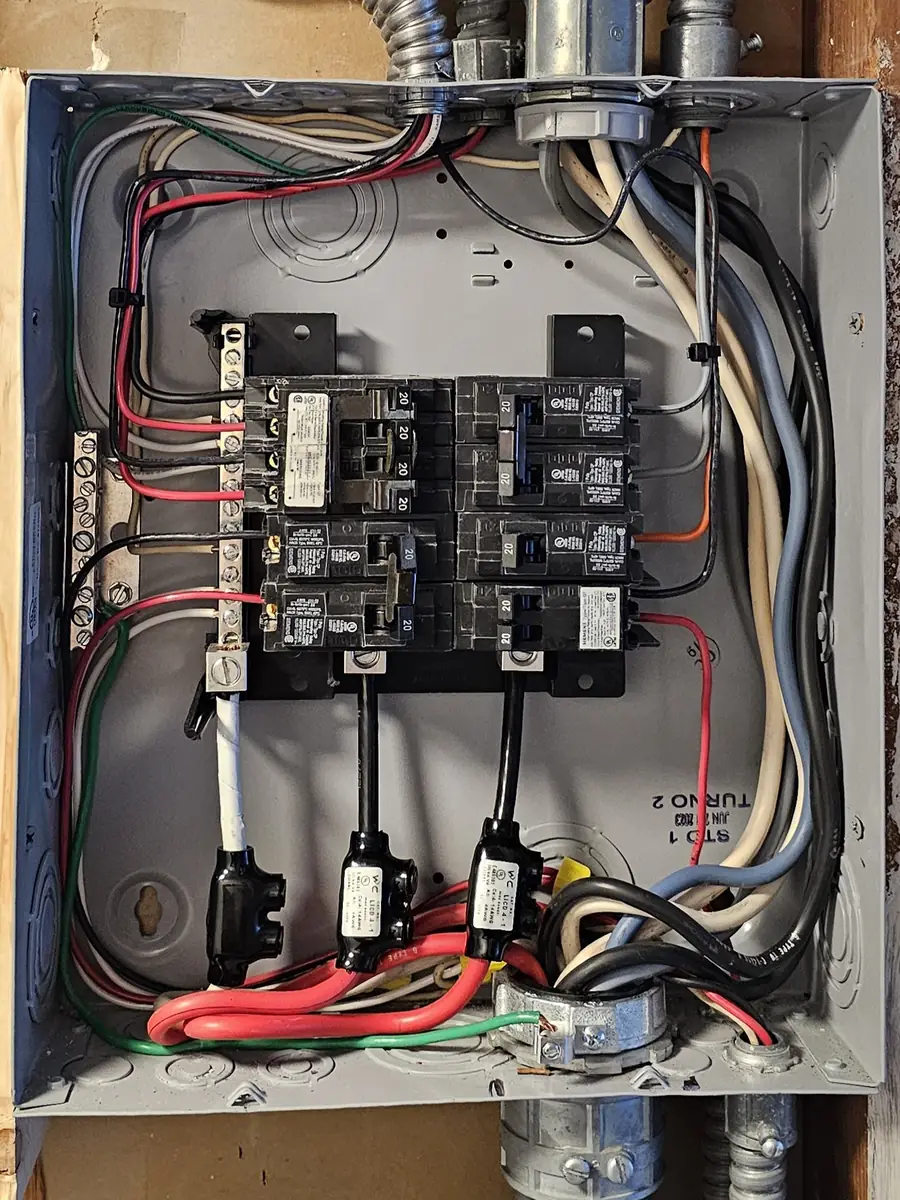
Any service panel replacement, subpanel addition, rewiring, circuit installation, or commercial meter bank work requires an electrical permit from LADBS (or the building department in Burbank, Glendale, Beverly Hills, or Culver City).
Never let an unlicensed handyman perform work inside your main distribution panels. If unpermitted work is flagged by city inspectors, you will be forced to pull double-fee retroactive permits, expose closed walls for rough-in inspections, and hire a licensed contractor to redo non-compliant work.
What Drives Electrical Repair and Upgrade Costs?
Exact costs depend on physical and logistical realities:
- Scope of the upgrade: A 100A to 200A panel changeout typically ranges from $2,500 to $4,500+, depending on whether the utility company (LADWP, SCE) requires service riser relocation or trenching.
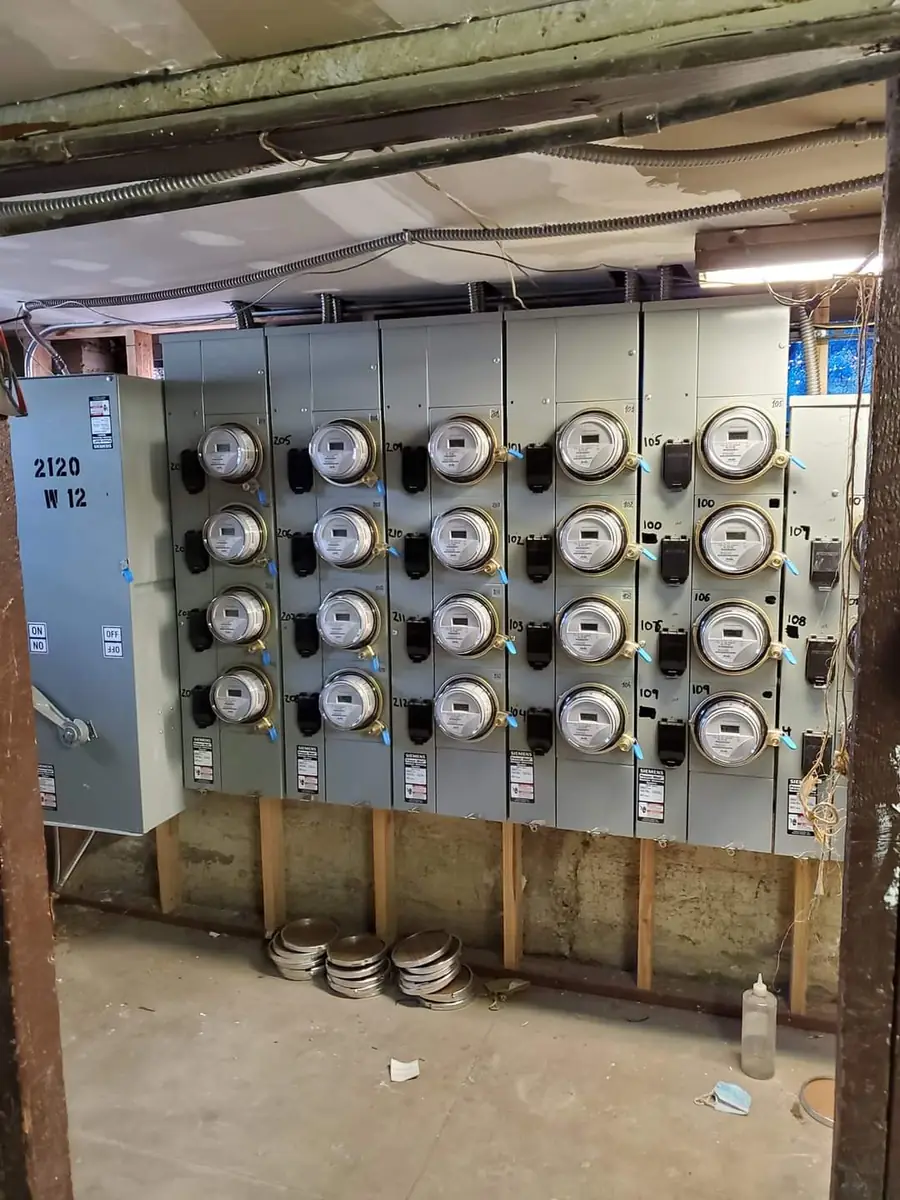
- Multi-family metering configurations: Multi-tenant buildings with centralized meter centers or gang meters require specialized commercial-grade switchgear, increasing equipment lead time and labor.
- Building age and accessibility: Running new home-run circuits in a 1920s lath-and-plaster fourplex in Silver Lake requires significantly more precision and labor than wiring an open attic in a modern San Fernando Valley building.
- Permit and plan check fees: City fees vary by municipality and project valuation.
To understand your property's specific needs, request an upfront assessment at our get estimate page.
Frequently Asked Questions
How long does a landlord have to fix an electrical problem in California?
Under California law, a landlord must address habitability defects within a "reasonable time." For non-emergency issues, the law generally presumes 30 days is reasonable. However, severe electrical hazards—such as complete loss of power, burning smells, sparking outlets, or live exposed wires—are emergencies that require immediate action, typically within 24 to 48 hours.
Can a tenant withhold rent for broken electrical outlets in Los Angeles?
If the broken outlets constitute a genuine habitability violation or fire hazard, and the landlord was given written notice and adequate time to repair the issue, California tenants may have legal grounds to withhold rent or use the "repair and deduct" remedy under Civil Code § 1942. However, tenants must follow strict legal procedures before withholding rent.
Does a landlord have to upgrade two-prong outlets to three-prong grounded outlets?
California law does not strictly require retroactive upgrades of existing, functional two-prong outlets solely because building codes have changed since the home was built. However, outlets must be maintained in safe working order. If outlets are damaged, or if GFCI protection is required near sinks, landlords must update them. Installing GFCI receptacles on ungrounded circuits (clearly labeled "No Equipment Ground") is a code-approved method to provide shock protection without full whole-house rewiring.
Can I hire a general handyman to fix rental unit electrical issues?
In California, any electrical work that costs $500 or more (combined labor and materials), or that requires a building permit, must be performed by a licensed C-10 Electrical Contractor. Hiring an unlicensed handyman for electrical work exposes you to severe liability, voided insurance claims, and failed city inspections.
Protect Your Tenants and Your Investment Today
Maintaining electrical compliance is not just about avoiding city fines—it is about protecting your tenants' lives and securing the value of your real estate. Whether you manage a single rental condo in Burbank or a 20-unit building in Los Angeles, AA Electrical Services provides honest diagnostics, permit-ready installations, and durable repairs.
Have questions about an upcoming inspection or an ongoing repair? Contact our team today or call (818) 437-6736 to speak with a licensed electrical contractor. You can also request a fast, free quote on our get estimate page.