LADBS Electrical Permit Guide: What LA Homeowners Need
Wondering if your home project needs an LADBS electrical permit? Learn what Los Angeles requires, how the inspection process works, and how to avoid costly delays.
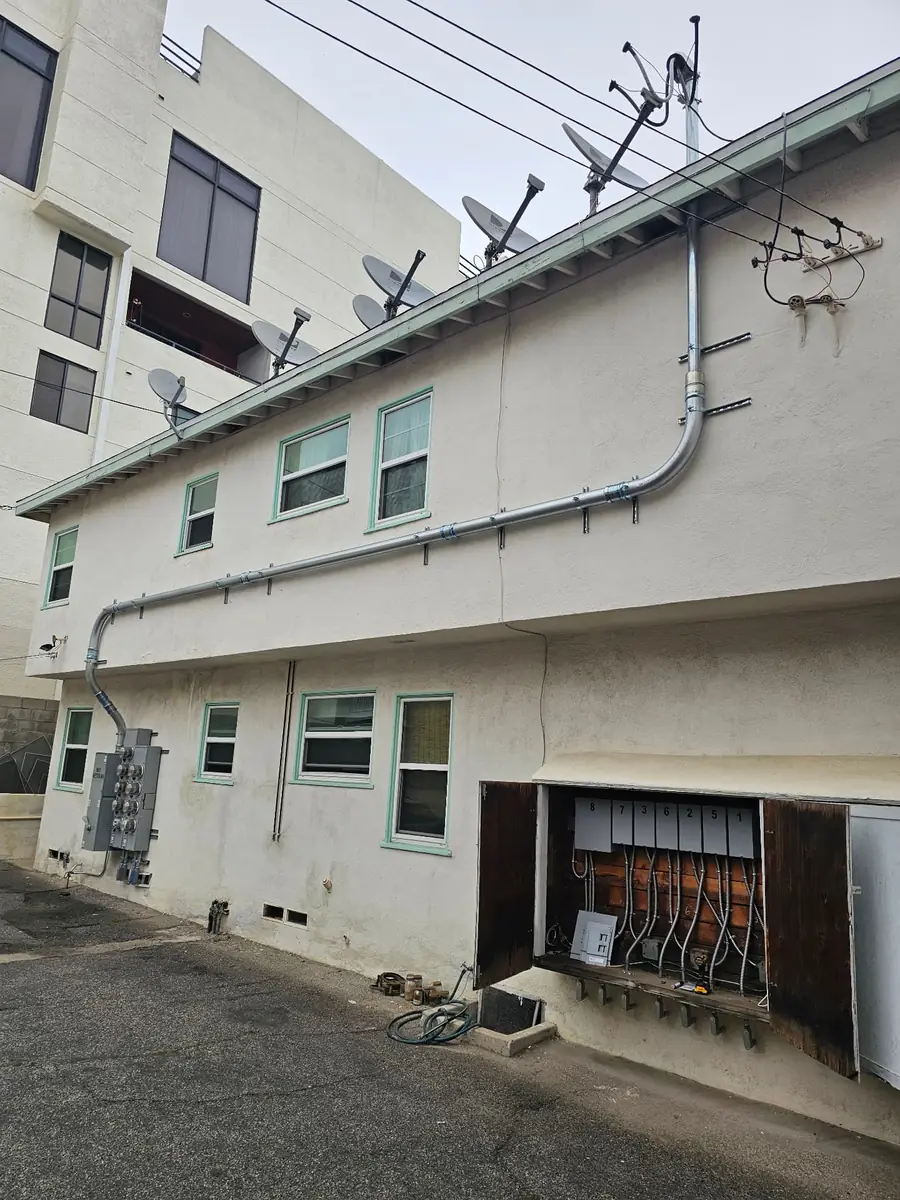
If you are planning home improvements in Southern California, understanding how to pull an electrical permit in Los Angeles can mean the difference between a smooth renovation and a bureaucratic nightmare. Homeowners often ask us if permits are truly necessary for residential jobs, or if they are just extra paperwork designed to collect municipal fees.
The short answer is simple: an LADBS electrical permit protects your physical safety, your insurance coverage, and the resale value of your property. Navigating the Los Angeles Department of Building and Safety (LADBS) or neighboring city building divisions in Burbank, Glendale, Culver City, and Pasadena can feel overwhelming. However, understanding what inspectors look for makes the process straightforward.
When Do You Actually Need an Electrical Permit in Los Angeles?
California Electrical Code (CEC) and local Los Angeles municipal amendments define precisely what requires oversight. In general, any work that alters your home's fixed wiring infrastructure, adds new circuits, or modifies the electrical service demand requires city review.
Projects That Always Require a Permit
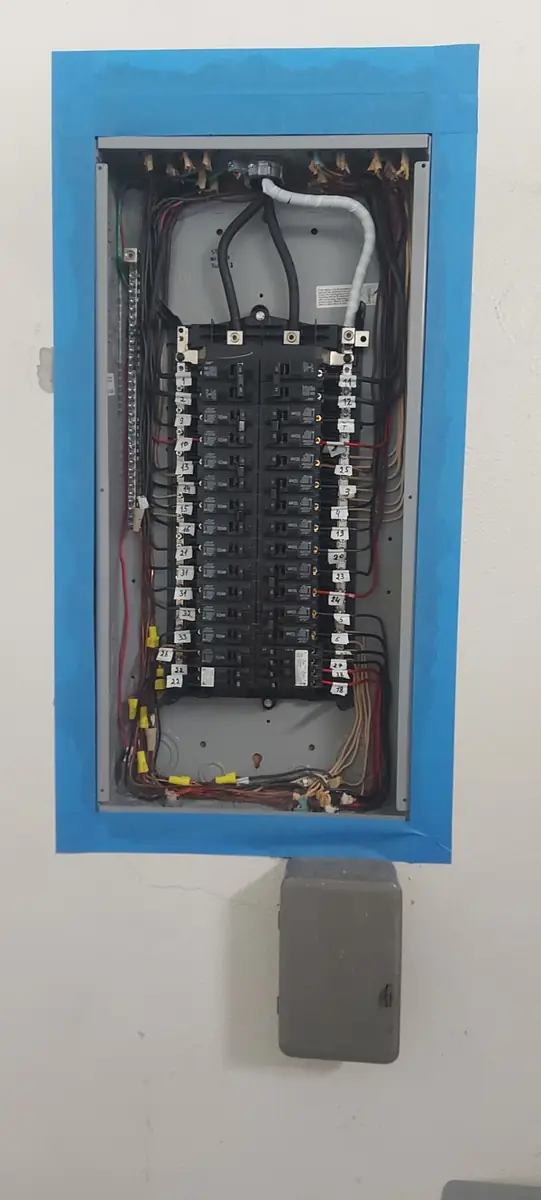
- Panel Upgrades and Replacements: Any time you swap out a main breaker panel, modernize an obsolete 60-amp or 100-amp box, or convert to a 200-amp service, a permit for panel upgrade is mandatory.
- Level 2 EV Charger Installations: Adding a dedicated 240-volt, 40-amp or 50-amp circuit to your garage or driveway alters your total continuous load profile and requires permitting.
- Solar and Battery Backup Systems: Connecting localized generation or storage equipment to your main distribution panel requires full engineering review and field sign-offs.
- Kitchen and Bathroom Remodels: These areas carry strict National Electrical Code (NEC) requirements regarding dedicated appliance circuits, GFCI protection, and tamper-resistant receptacles.
- Accessory Dwelling Units (ADUs): Detached or converted garages transformed into living spaces demand dedicated subpanels, Title 24 compliance, and comprehensive circuit distribution.
- Subpanel Additions: Running a feeder circuit from your main panel to a new subpanel anywhere on the property.
Minor Work That Typically Does Not Require a Permit
Routine maintenance generally does not require a trip to LADBS or an online filing. Replacing an existing light fixture with one of equal wattage, swapping out a broken single-pole wall switch with a like-for-like device, or changing a standard faceplate are considered ordinary maintenance under LADBS guidelines. However, running a new cable through the wall to create a brand-new outlet location does require a permit.
The LADBS Electrical Permit and Inspection Workflow
Many property owners picture long lines at municipal offices, but the modern permitting system is largely streamlined through digital portals. Here is how licensed professionals handle the journey from application to final sign-off.
1. Permit Application (e-Permit vs. Plan Check)
For standard residential improvements—such as a 200-amp service change, an EV charger installation, or re-wiring circuits—contractors can pull an "Express Permit" through LADBS online without submitting architectural blueprints. However, significant structural additions, major commercial upgrades, or properties situated in designated hillside or fire zones may require full plan-check review.
2. Rough-In Electrical Inspection
Before walls are closed with drywall or insulation, an inspector must see the mechanical rough-in. During this visit, the city official verifies:
- Conductor sizing matches the upstream circuit breaker ratings.
- Box depths, support strapping, and nail plates are positioned to prevent puncture injuries.
- Neutral and ground conductors are appropriately separated in subpanels.
- Conduit fill calculations meet code limits.
3. Utility Coordination (LADWP or Southern California Edison)
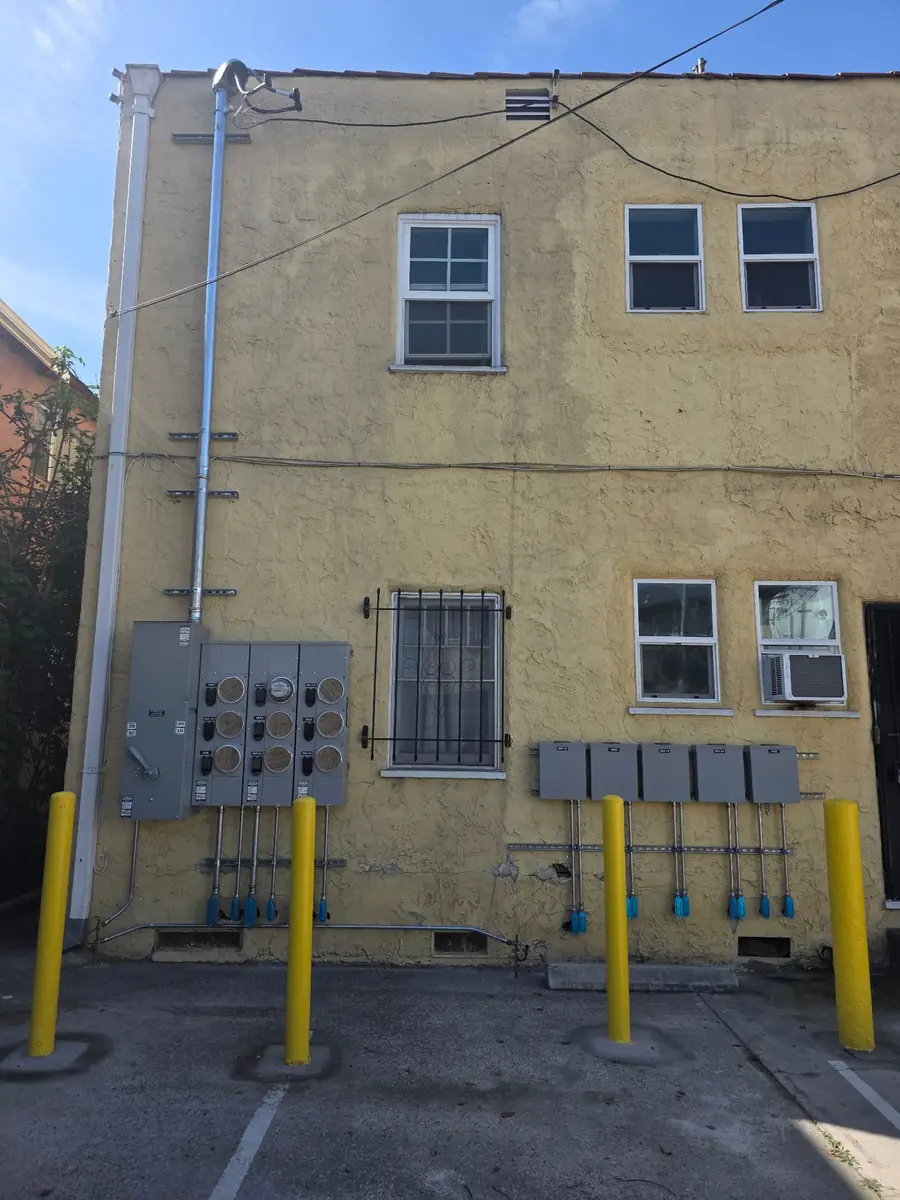
If your project involves the meter section, your contractor must coordinate closely with the power utility. In the City of Los Angeles, this means working with the Los Angeles Department of Water and Power (LADWP). In surrounding areas like Santa Monica or West Hollywood, it involves Southern California Edison (SCE).
When pulling a permit for panel upgrade, LADBS must inspect the panel and issue an official "Meter Release" before LADWP will schedule a crew to reconnect your service drops or install a new digital meter. Skipping this procedure leaves your home without energized utility power.
4. Final Electrical Inspection
Once the walls are painted, devices are installed, faceplates are secured, and GFCI/AFCI breakers are tested, the inspector returns for the final electrical inspection. Once they verify grounding electrodes, label verification, and functional safety systems, the permit is stamped final and closed out in city records.
Quick Checklist: Permitted vs. Unpermitted Work
To see why permitting is necessary, consider how an unpermitted installation contrasts with permitted work performed by a licensed C-10 contractor:
| Feature | Permitted Electrical Project | Unpermitted / DIY Project | | :--- | :--- | :--- | | City Oversight | Verified by an LADBS building inspector | No independent verification | | Home Insurance | Fully protected in the event of an electrical fire | Carrier may deny claims linked to unpermitted work | | Home Sale Disclosure | Clean title records with city sign-offs | Red flags during escrow inspection; price cuts | | Utility Coordination | Seamless LADWP or SCE meter release | Risk of utility disconnecting service due to code violations | | Load Calculations | Verified capacity to prevent main breaker trips | High risk of overloading conductors and panels |
Signs You Should Not Wait on an Electrical Upgrade
Homes built in the San Fernando Valley and throughout greater Los Angeles between the 1920s and 1970s often feature outdated electrical infrastructure that cannot handle modern life. If you notice any of the following symptoms, your system requires professional evaluation through our comprehensive electrical services:
- You Have a Zinsco, Federal Pacific Electric (FPE), or Pushmatic Panel: These legacy panels are notorious for failing to trip during overcurrent situations, creating extreme fire hazards.
- Flickering or Dimming Lights: When your central air conditioning kicks on or you run a microwave, lights should not dim noticeably. This indicates excessive voltage drop or undersized service capacity.
- Breakers Tripping Routinely: A circuit breaker that trips multiple times a week is doing its job—telling you that the circuit is carrying more current than its conductors can safely support.
- Two-Prong, Ungrounded Outlets: Older homes in neighborhoods like Silver Lake, Pasadena, or North Hollywood often lack an equipment grounding conductor, leaving sensitive home electronics unprotected.
- Burning Smells or Discolored Outlets: Scorched plastics, buzzing noises from switches, or warm-to-the-touch wall plates signal loose connections that can ignite wall studs.
Delaying necessary repairs or modernizations not only compromises family safety, but it can also jeopardize your homeowner's insurance policy. Insurers routinely request verification of panel updates, particularly on older California homes.
The Reality of Electrical Permit and Project Costs
Homeowners often worry about permit expenses. In the City of Los Angeles, LADBS permit fees for residential electrical projects typically scale with the scope of work.
- An express electrical permit for a panel replacement or EV charger typically costs between $150 and $350 in city fees, which include code enforcement surcharges and state fees.
- Comprehensive remodel permits that involve whole-house rewiring, multiple subpanels, or plan-check reviews can scale to $500 to $1,500+ depending on property square footage and valuation.
While city fees add to the invoice, attempting to avoid them is a false economy. If LADBS receives a complaint or an inspector spots unpermitted work from the street, they issue an official "Order to Comply." This order carries penalizing fees, demands immediate permitting, and can involve opening finished drywall so inspectors can review previously concealed wiring.
Professional electrical contractors handle the administrative burden for you: calculating panel load demands, pulling the permits, interfacing with LADWP engineering dispatchers, and meeting the city inspector on-site. When you request a consultation through our estimate page, we detail every permit and utility cost in our proposal so you are never surprised.
Frequently Asked Questions About LA Electrical Permits
Can a homeowner pull their own electrical permit in Los Angeles?
Under California law, an owner-builder can pull an electrical permit for a single-family property they occupy. However, by pulling the permit, you take on full legal liability for code compliance, safety protocols, and utility coordination. If the work fails inspection or damages the utility equipment, the property owner is entirely responsible. Most homeowners prefer having a licensed C-10 contractor pull the permit and provide a professional warranty.
How long does it take for LADBS to schedule an inspection?
For standard residential projects, LADBS inspection requests can generally be scheduled within 24 to 48 business hours via their online portal or automated phone system. Same-day utility releases, which are necessary when upgrading a service panel, require tight synchronization between the electrical contractor, the LADBS inspector, and the LADWP reconnect crew.
What happens if I bought a home with unpermitted electrical work?
Unpermitted work remains the responsibility of the current legal owner. If you discover substandard or unpermitted work after closing, you can bring the wiring up to current code and apply for a retroactive permit through LADBS. A licensed electrician can inspect your home, identify non-compliant wiring or hazardous panels, and navigate the inspection process to secure proper documentation.
Does installing a dedicated EV charger require a permit in LA?
Yes. Installing a Level 2 (240V) charging station requires an electrical permit across Los Angeles and surrounding jurisdictions like Santa Monica and Burbank. The city verifies that your existing service panel has adequate spare capacity to handle continuous high-draw amperage without overheating the main busbar.
Protect Your Property with Licensed Los Angeles Electricians
Cutting corners on residential electrical work can put your home and family at risk. Ensuring every wire, panel, and disconnect is installed to the latest California Electrical Code protects your property value and keeps your power flowing safely.
Since 1991, AA Electrical Services has guided homeowners across Los Angeles, the San Fernando Valley, and surrounding communities through the permitting and installation process. Whether you need an electric vehicle charger, whole-house rewire, or an urgent 200-amp service replacement, our team manages the job from permits through final utility inspection.
Have questions about code compliance or want to schedule an evaluation? Visit our contact page, call our direct line at (818) 437-6736, or request an upfront assessment through our free estimate request form today.