Knob and Tube Wiring Replacement in Older LA Homes
Discover the hidden hazards of knob-and-tube and aluminum wiring in vintage Los Angeles homes, your rewiring options, realistic costs, and permit rules.
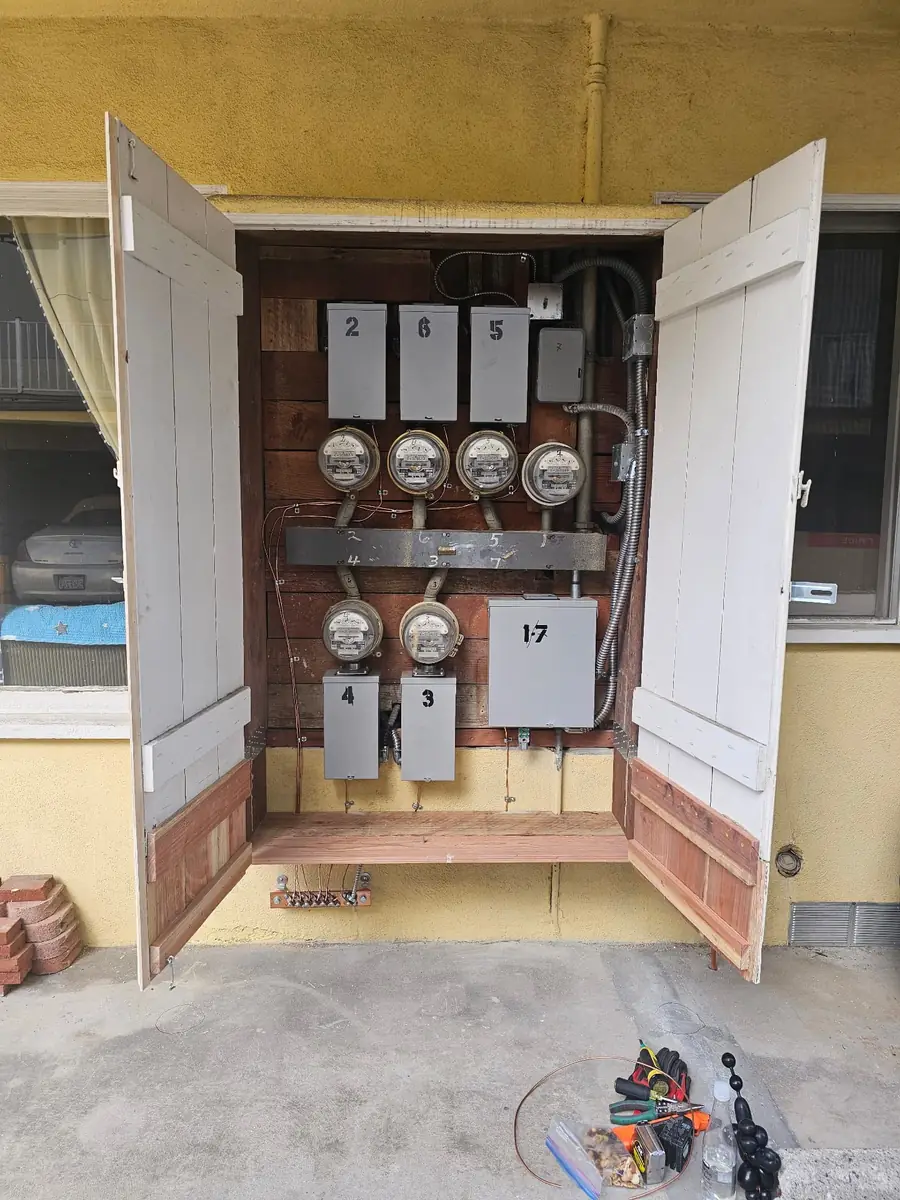
If you own a Spanish revival in Silver Lake, a Craftsman bungalow in Pasadena, or a mid-century ranch in the San Fernando Valley, your home has character that modern tract developments simply cannot duplicate. It also carries decades of hidden electrical modifications behind lath-and-plaster walls. When addressing vintage residential infrastructure, knob and tube wiring replacement and targeted remediation are among the most critical life-safety investments a homeowner can make.
At AA Electrical Services, we have inspected, repaired, and replaced vintage wiring across Los Angeles since 1991. If your property runs on ungrounded antique circuits or fire-prone metal conductors, here is what you need to understand about the risks, code standards, and practical solutions.
The Realities of Old House Wiring in Los Angeles
Many neighborhoods throughout Los Angeles, Glendale, Burbank, and Santa Monica were developed between the 1900s and the 1970s. During these eras, building codes reflected far lower power demands. Homeowners did not run central air conditioning, induction cooktops, high-output EV chargers, or multiple computer workstations.
Today, handling old house wiring in Los Angeles is not just about keeping the lights on; it is about keeping circuits within their safe thermal tolerances. Two legacy wiring methods present distinct hazards in Southern California homes: knob-and-tube (K&T) wiring and single-strand aluminum wiring.
The Mechanics and Hazards of Knob and Tube Wiring
Commonly installed from the late 1800s through the early 1940s, knob-and-tube wiring consists of individual hot and neutral conductors held apart by ceramic porcelain knobs nailed to framing studs, running through ceramic tubes where wires pass through joists.
- Absence of an Equipment Ground: K&T circuits carry no ground conductor. That means modern three-prong surge protectors, heavy appliances, and sensitive electronics have zero path to safely sink faults, creating acute shock and fire risks.
- Brittle, Degraded Insulation: K&T wires were wrapped in cotton cloth treated with asphalt or rubber. After 80 to 100 years of heat cycles in hot Los Angeles attics, this insulation dries out, flakes away, and leaves bare copper exposed inside wall cavities.
- Thermal Insulation Blanketing: Knob-and-tube relies on free air circulation to dissipate heat. When modern homeowners blow cellulose or fiberglass insulation into attics and exterior walls to cut heating and cooling bills, the covered wires overheat rapidly, creating a major fire risk.
- Unsafe Handyman Splices: Over the decades, unlicensed handymen often tapped into K&T runs inside walls without junction boxes, creating loose connections that arc under modern loads.
The Hidden Threat of 1960s-1970s Aluminum Wiring
Between roughly 1965 and 1973, soaring copper prices prompted builders throughout the San Fernando Valley, West LA, and Torrance to install single-strand aluminum branch circuit wiring. While aluminum remains an effective conductor when sized properly for utility service entrances, it poses severe risks on 15-amp and 20-amp household branch circuits.
- Thermal Expansion and Contraction: Aluminum expands far more than copper when carrying current. As it heats and cools, screws on outlets and switches back out, creating loose, high-resistance gaps.
- Galvanic Corrosion and Oxidation: When exposed to oxygen, aluminum forms an insulating oxide layer that resists electrical flow, generating intense heat. Connecting aluminum to standard copper-rated terminal screws accelerates corrosion.
- Metal Creep: Under continuous pressure under a screw terminal, aluminum slowly deforms ("creeps"), loosening the connection over time until dangerous electrical arcing begins.
Knob and Tube vs. Aluminum: Key Differences
| Feature | Knob & Tube Wiring (1890s–1940s) | Single-Strand Aluminum (1965–1973) | | :--- | :--- | :--- | | Primary Problem | Deteriorated cloth insulation, lack of ground, attic insulation hazards | High thermal expansion, oxidation, loose connections at terminations | | Grounding Wire | None | Usually present, but terminations are unstable | | Insurance Status | Frequently uninsurable; carriers demand complete decommissioning | Carriers often require professional remediation (Copalum or AlumiConn) | | Best Solution | Complete circuit replacement with modern Romex (NM-B) | Full rewire or targeted pig-tailing with specialized connectors |
Why Homeowners Can No Longer Delay Action
Delaying rewiring work is a gamble that rarely pays off. In Southern California's real estate and property insurance landscape, aging electrical infrastructure triggers immediate financial and operational penalties:
- Homeowners Insurance Non-Renewals: The California insurance market has contracted dramatically. Insurers routinely deploy physical inspectors or demand four-point inspection reports before renewing policies. Discovering active knob-and-tube or unmitigated aluminum wiring often results in an immediate notice of cancellation.
- Modern Electrical Capacity Needs: Trying to power a heat pump, an induction range, or an EV charger on a vintage panel tied to cloth or aluminum wiring will constantly trip breakers or melt wire junctions.
- Property Sale Delays: Lenders will frequently withhold loan funding during escrow if an appraiser or home inspector flags active knob-and-tube in the attic or ungrounded systems throughout living areas.
Modern Remediation and Rewiring Options
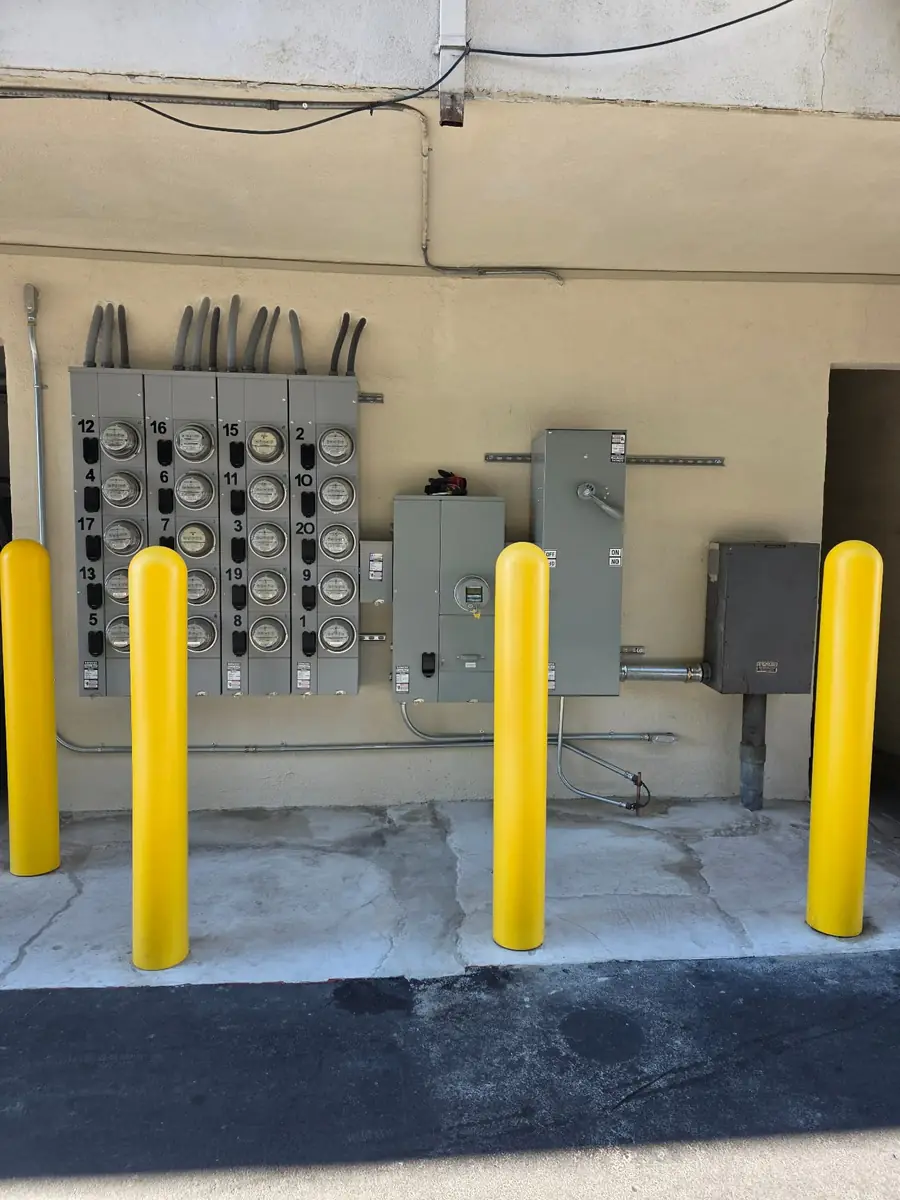
When we evaluate your home, our goal is to recommend the most cost-effective path that restores full safety and brings your home into compliance with the National Electrical Code (NEC).
Comprehensive House Rewiring
For homes with extensive knob-and-tube or heavily spliced aluminum, full rewiring is the gold standard. We run new non-metallic sheathed cables (copper Romex with dedicated grounding) from your main breaker panel to every outlet, switch, and fixture. Our team utilizes specialized wall-fishing techniques to preserve historic plaster, crown moldings, and vintage drywall whenever possible.
Targeted Aluminum Wiring Repair
If your home has aluminum branch wiring that is otherwise mechanically sound, complete rewiring is not your only option. We provide code-compliant aluminum wiring repair using specialized methods approved by the Consumer Product Safety Commission (CPSC):
- AlumiConn Connectors: We install miniature mechanical lug connectors that separate the aluminum wire from a new copper pigtail using individual ports coated with anti-oxidant silicone sealant, tightened to specific torque values.
- Copalum Crimp Connections: A cold-weld crimp system that permanently bonds copper pigtails to existing aluminum lines.
- CO/ALR Device Replacement: Replacing basic switches and receptacles with direct-rated CO/ALR devices designed specifically to prevent galvanic corrosion with aluminum.
To learn more about how we handle these systems, review our full line of residential services.
Signs You Should Not Wait to Call an Electrician
If you notice any of these warning signs in your home, call a licensed C-10 contractor immediately:
- Outlets, switch faceplates, or wall surfaces that feel warm to the touch
- Buzzing, sizzling, or subtle popping noises from inside walls
- Unexplained burning plastic or fishy chemical odors
- Plugs slipping loosely out of receptacles
- Lights that flicker or dim when the refrigerator or vacuum starts up
- Fuses or breakers that trip with routine appliance use
House Rewiring Cost and Permitting Realities in Los Angeles
A full house rewiring cost in the greater Los Angeles area varies significantly depending on several real-world property conditions:
- Square Footage and Stories: A 1,200 sq. ft. single-story home over an open crawlspace is far simpler to rewire than a 3,000 sq. ft. two-story home built over a concrete slab.
- Wall Construction: Plaster-and-lath takes significantly more labor and care to fish without damaging surfaces compared to modern drywall.
- Panel Upgrades: Older wiring typically terminates in outdated 60-amp or 100-amp fuse boxes or obsolete breaker panels (like Federal Pacific or Zinsco). Most rewires require a concurrent 200-amp main electrical service upgrade.
For a standard 1,500-square-foot home in Los Angeles, full rewiring typically ranges from $8,000 to $18,000+, depending on attic access, crawlspace clearances, and fixture count. Targeted aluminum pigtailing on an intact system typically runs from $1,500 to $4,500.
Permitting and LADBS Inspections
Any structural rewiring or panel replacement requires a permit from the Los Angeles Department of Building and Safety (LADBS) or the relevant building authority in nearby cities like Pasadena, Burbank, or Beverly Hills. Working with a licensed C-10 electrical contractor guarantees that permits are pulled, load calculations are submitted accurately, rough-in and final inspections pass without delays, and your home insurance receives valid documentation of code compliance.
Frequently Asked Questions
Can I just install GFCI outlets to make knob and tube safe?
Installing a GFCI outlet on an ungrounded two-wire system protects humans from lethal ground faults and allows you to plug in three-prong appliances legally under the NEC. However, it does not create an equipment ground for delicate electronics, nor does it resolve decaying, brittle wire insulation or overheating inside your attic.
How long does a full home rewire take?
A typical single-family home rewire takes between 3 to 7 working days. Our crews plan each phase carefully so your power remains connected to essential areas overnight, minimizing disruption to your daily routine.
Will rewiring ruin my vintage plaster walls?
Not when performed by experienced professionals. We use extended flex-bits, attic pathways, and under-floor crawlspaces to fish new lines with minimal wall cuts. When openings are necessary, we make clean, surgical access incisions that your plaster repair specialist can patch easily.
Is knob and tube illegal to have in California?
Knob-and-tube wiring is not explicitly illegal under California building codes if it was installed legally when built and remains untouched. However, extending or adding new circuits to existing K&T is prohibited. Furthermore, private insurance companies routinely refuse coverage until active K&T is retired.
Schedule Your Vintage Wiring Inspection Today
Do not wait for flickering lights, insurance cancellation notices, or thermal damage to address vintage electrical lines. Since 1991, AA Electrical Services has provided honest diagnostics, meticulous rewiring, and licensed panel installations across the Los Angeles basin.
Contact us directly to discuss your home's system. Call (818) 437-6736 or visit our contact page. You can also request an estimate online today to keep your home, family, and investments fully protected.