Kitchen Remodel Electrical: Work That Must Happen First
Planning a kitchen or bath renovation in Los Angeles? Discover the essential rough-in electrical work, code requirements, and panel checks required before drywall goes up.
When you begin planning a home renovation, it is easy to focus on custom cabinetry, quartz countertops, and luxury tile. However, framing and layout choices mean very little if your infrastructure cannot support modern power demands. Proper kitchen remodel electrical rough-in work is the absolute first major milestone that must be completed after demolition.
In older homes throughout Los Angeles—from 1920s Spanish bungalows in Pasadena and Silver Lake to mid-century ranches in Sherman Oaks and Glendale—original wiring was never engineered for steam ovens, dual microwaves, high-draw induction cooktops, or heated bathroom floors. If you install drywall and tile before your electrical system is fully engineered, permitted, and inspected, fixing mistakes later requires tearing out expensive finishes. Partnering early with a licensed remodel electrician in Los Angeles ensures your project passes inspection the first time while keeping your family safe from hidden fire hazards.
Why Rough-In Electrical Must Precede Drywall and Tile
Rough-in electrical is the phase where all cables, conduit, outlet boxes, switch housings, and dedicated feeds are routed through the exposed wall studs and ceiling joists. Once drywall is taped and tiles are set, making changes becomes exponentially more destructive and expensive.
Wall Openings Are Your Only Clean Window
Running home runs—the direct wire paths back to your main distribution panel—demands wide access to wall cavities and ceiling bays. Once demolition strips your kitchen or bathroom down to the studs, electricians can quickly bore through framing members, pull heavy-gauge Romex or run EMT conduit, and establish ideal placement for your switches and task lights. Skipping this step or trying to "retrofit" circuits through small exploratory holes after drywalling creates loose wiring, damaged framing, and bloated labor bills.
Performing the Whole-Home Load Calculation
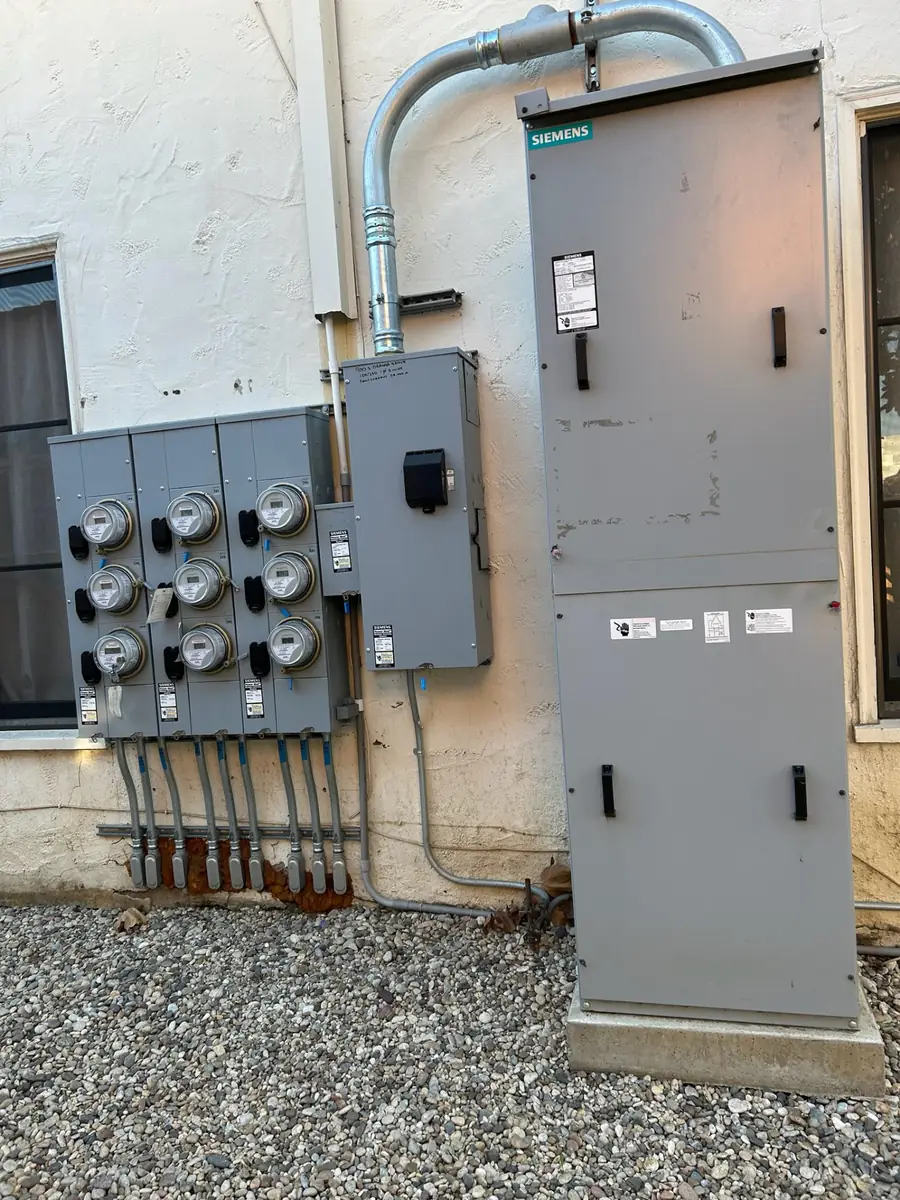
Modern remodels routinely add 40 to 80 amps of cumulative new demand to your system. Before pulling a single wire, your contractor must perform an Article 220 load calculation under the California Electrical Code (Title 24). If your home still operates on an original 100-amp service panel, adding a commercial-grade range, a built-in espresso machine, and a multi-head bathroom shower system will push your service beyond safe operating margins. Assessing service capacity happens on day one so any necessary utility coordination with LADBS, Southern California Edison (SCE), or Burbank Water and Power (BWP) can begin immediately.
Kitchen Remodel Electrical: Non-Negotiable Code Requirements
Kitchens represent the highest concentration of heavy electrical loads and water sources in any residential structure. Modern building codes reflect this reality through stringent mandates.
Dedicated Circuit Installation for High-Draw Appliances
A single 15-amp circuit cannot handle the simultaneous operation of modern kitchen equipment. Modern code mandates independent, dedicated circuit installation for high-load appliances so they operate safely without nuisance tripping. Essential dedicated circuits include:
- Refrigerator: Dedicated 20-amp, 120-volt circuit to avoid spoiled food if another appliance trips a breaker.
- Microwave / Speed Oven: Dedicated 20-amp, 120-volt circuit.
- Dishwasher and Garbage Disposal: Modern codes generally require a dedicated 20-amp feed, often split or supplied via two dedicated circuits depending on manufacturer specifications.
- Electric Range, Wall Oven, or Induction Cooktop: Dedicated 40-amp to 50-amp, 240-volt circuit using heavy copper conductors.
Small Appliance Branch Circuits (SABCs)
The National Electrical Code (NEC) and California Electrical Code mandate at least two 20-amp, 120-volt Small Appliance Branch Circuits serving kitchen countertop receptacles. These circuits supply countertop appliances like blenders, toasters, and air fryers. No lighting fixtures can be connected to these runs, and receptacles must be spaced so that no point along the countertop wall line is further than 24 inches from an outlet.
GFCI and AFCI Protection
Every kitchen receptacle serving countertop surfaces must have Ground-Fault Circuit-Interrupter (GFCI) protection to eliminate lethal shock risks near sinks. Furthermore, California code mandates Arc-Fault Circuit-Interrupter (AFCI) protection on virtually all living-space circuits to detect dangerous electrical arcing inside walls before framing materials catch fire.
Bathroom Electrical Code: Rules for Moisture and High Wattage
Bathrooms combine standing water, copper plumbing, high humidity, and high-wattage personal appliances like hair dryers and curling irons. Adhering to the bathroom electrical code protects bathers from accidental electrocution.
Dedicated 20-Amp Branch Circuits
Modern code forbids tapping bathroom outlets off adjacent bedroom or hallway lighting circuits. A bathroom requires at least one dedicated 20-amp circuit supplying the countertop vanity receptacles. If this circuit serves only one bathroom, it may also supply lighting and the exhaust fan; however, if you plan to install luxury additions like a heated towel rack or a radiant floor warming mat, these features demand their own separate circuits.
Wet-Location Lighting and Exhaust Zoning
Showers and soaking tubs require fixtures specifically rated for damp or wet locations. Recessed can lights installed inside a shower enclosure must feature sealed, gasketed trims and be fed through a GFCI-protected line. In Los Angeles, Title 24 efficiency standards also require high-efficacy lighting controlled by humidity sensors or vacancy switches for ventilation fans.
Rough-In Checklist: Kitchen vs. Bathroom Needs
Review this quick breakdown before your contractor hangs drywall:
| Area | Circuit Requirement | Minimum Protection | Placement Priority | | :--- | :--- | :--- | :--- | | Kitchen Counters | Minimum two 20A Small Appliance circuits | GFCI + AFCI | Within 24" of any counter edge, islands included | | Kitchen Heavy Loads | Dedicated 40A–50A 240V (Range/Oven) | AFCI / Standard Breaker | Behind appliance footprint, clear of gas/plumbing | | Kitchen Refrigerator | Dedicated 20A 120V circuit | AFCI | Recessed outlet box behind fridge compartment | | Bathroom Vanity | Dedicated 20A 120V branch circuit | GFCI + AFCI | Within 36" of the outside edge of each sink basin | | Bathroom Shower | Wet-location rated lighting line | GFCI Protected | Fully gasketed trim within moisture zones | | Heated Floors / Bidets | Dedicated 15A or 20A circuit | GFCI + AFCI | Low-wall connection adjacent to fixtures |
Signs Your Current Wiring Cannot Handle the Remodel
If you live in Beverly Hills, Santa Monica, Culver City, or anywhere across greater LA, check your existing panel and wiring for these red flags before beginning construction:
- Breakers trip regularly when running a hair dryer and bathroom heater or a toaster and microwave simultaneously.
- Lights dim or flicker across the home when the refrigerator compressor kicks on.
- Your service panel has fuses or obsolete breakers (such as Zinsco, Federal Pacific Electric, or Pushmatic), which fail to trip under direct overloads.
- Ungrounded two-prong receptacles exist throughout the home, indicating old cloth-jacketed wiring lacking an equipment grounding conductor.
- Physical scorching or buzzing sounds emanate from outlets or inside the main breaker enclosure.
Ignoring these warnings before remodeling puts your newly invested finishes at risk. If you see any of these indicators, contact our licensed team for a comprehensive electrical evaluation.
Permitting and Real-World Costs in Los Angeles
Electrical remodeling is strictly regulated across Southern California. In the City of Los Angeles, the Los Angeles Department of Building and Safety (LADBS) requires electrical permits for new circuits, subpanels, and layout changes. Neighboring municipalities like Santa Monica, Burbank, and Pasadena maintain their own strict building divisions.
Unpermitted electrical work introduces severe consequences: building inspectors can issue stop-work orders, force contractors to cut open fresh drywall to inspect wiring, or require full rewires. Furthermore, property insurance carriers can deny coverage if an unpermitted electrical installation causes a fire.
What Drives Project Costs?
While total investment depends on your home's layout, standard pricing factors include:
- Panel Upgrades: If your home requires a service upgrade from 100A to 200A to satisfy Title 24 load calculations, utility equipment and panel hardware typically range from $3,500 to $6,500+ depending on whether the service drop is overhead or underground.
- Rough-In Wiring Runs: Running dedicated lines from the panel through crawlspaces or attics to the kitchen or bath generally averages between $150 and $300 per line drop or outlet box.
- Specialty Controls & Title 24 Compliance: Mandatory automated vacancy sensors, humidity sensors, and dimmer packs add hardware and programming costs, usually totaling $500 to $1,500 for a combined kitchen and bath remodel.
Cutting corners on wiring while investing tens of thousands into stone and cabinetry is an unnecessary gamble. Getting a professional assessment upfront keeps your budget predictable.
Remodel Electrical Frequently Asked Questions
Can my refrigerator and microwave share the same circuit?
No. Current electrical codes require dedicated 20-amp branch circuits for both the microwave and the refrigerator. Microwaves pull massive inductive startup currents, and sharing that circuit with a refrigeration compressor will lead to frequent breaker trips, risking spoiled food and equipment failure.
What is the practical difference between GFCI and AFCI protection?
GFCI (Ground-Fault Circuit-Interrupter) devices protect people from electrical shock by shutting off power in milliseconds if electricity leaks toward ground (such as water contact). AFCI (Arc-Fault Circuit-Interrupter) breakers protect property by detecting abnormal electrical arcing—sparking caused by damaged insulation or loose terminal screws—which generates enough heat to ignite wall framing.
Will my kitchen remodel require a full panel upgrade?
It depends on your current service size and existing electrical load. If your home runs on a 100-amp or 125-amp service panel and you plan to install an induction range, electric double oven, air conditioning, or an EV charger, your panel will likely exceed safe capacity limits. A licensed electrician will calculate your connected loads to confirm whether a 200-amp upgrade is necessary.
Why hire a licensed C-10 contractor instead of letting a general handyman wire the remodel?
California law restricts complex electrical work to licensed C-10 electrical contractors. Handymen are legally limited to minor, non-structural tasks under $500 in combined labor and materials. Electrical rough-in involves high voltages, load calculations, arc-fault mitigation, and strict municipal code compliance. Hiring an experienced C-10 specialist guarantees that all work is insured, fully permitted, and built to code.
Schedule Your Kitchen & Bath Electrical Rough-In Today
Since 1991, AA Electrical Services has delivered safe, high-precision electrical upgrades for homeowners across Los Angeles, Glendale, Burbank, and surrounding communities. Do not leave your dream remodel to guesswork. Call our master electricians today at (818) 437-6736 or visit our website to request a free estimate before drywall installation begins.