How to Choose a Licensed Electrician in Los Angeles: C-10 Guide
Learn how to choose a licensed C-10 electrical contractor in Los Angeles. Avoid unpermitted work, navigate LADBS code, and protect your home's safety.
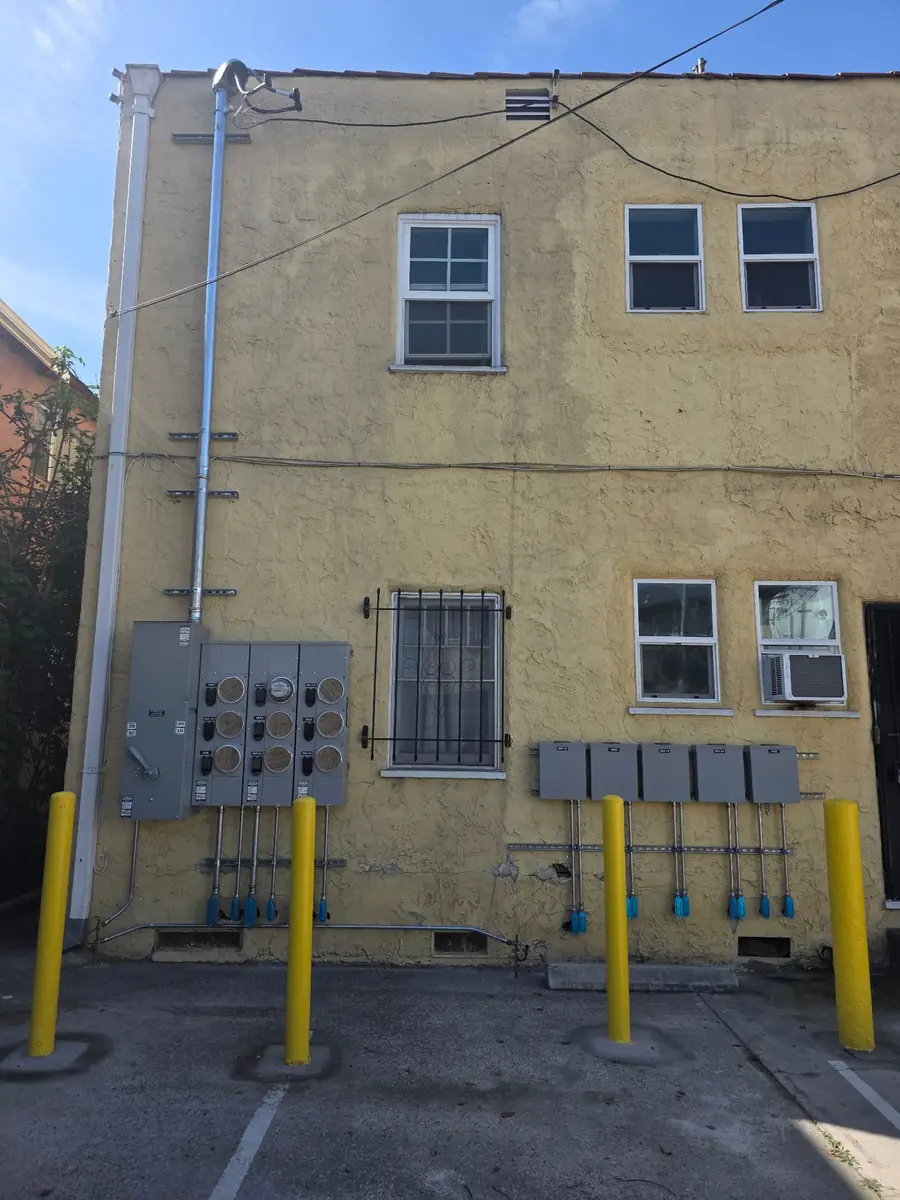
When a circuit breaker continuously trips, lights flicker when the air conditioner turns on, or you need to wire an EV charger in your garage, your immediate instinct is likely searching online for an "electrician near me." But in a city like Los Angeles—where charming 1920s Spanish bungalows and mid-century ranch homes exist right beside modern developments—electrical systems are rarely straightforward.
Choosing the wrong contractor can leave you with unpermitted, dangerous work that voids your property insurance or fails city inspections. To protect your home, your family, and your investment, you need to work with a qualified licensed electrician in Los Angeles who holds a valid C-10 license from the state of California.
What Is a C-10 Electrical Contractor?
In California, not everyone who carries wire strippers is legally allowed to work on your electrical system. The California Contractors State License Board (CSLB) strictly regulates trade licenses. A c-10 electrical contractor is a specialized professional who has demonstrated at least four full years of journey-level experience, passed rigorous state examinations covering both electrical trade theory and business/contract law, and submitted to state-level background checks.
The $500 Rule in California
Under California law, an unlicensed handyman can only take on minor home improvement jobs where the combined cost of labor and materials is under $500. Furthermore, state regulations prevent unlicensed contractors from breaking a larger job into smaller increments to get around this limit. If someone offers to rewire your kitchen, install a 240-volt subpanel, or upgrade your service panel for cash without a license, they are violating state law and putting your home at serious risk.
Insurance and Bonding Protection
A legitimate C-10 contractor carries two crucial safety nets:
- General Liability Insurance: Protects your property if an accident occurs, such as a fire or structural damage during rough-in.
- Workers' Compensation: Protects you from financial liability if an electrician gets injured on your property.
- State Contractor Bond: A mandatory surety bond filed with the CSLB to protect consumers against contract violations or substandard work.
Crucial Steps Before You Hire an Electrician
Before you sign a contract or hand over a deposit, run through this checklist to vet any contractor operating in Los Angeles, the San Fernando Valley, or surrounding cities like Pasadena, Burbank, Glendale, and Santa Monica.
1. Verify the CSLB License Online
Never take a contractor's word or a truck logo at face value. Ask for their six- or seven-digit license number and look it up on the official CSLB website (cslb.ca.gov). Ensure:
- The license status reads "Active".
- The license classification includes C-10 - Electrical.
- The workers' compensation policy is active (mandatory if they have employees).
- There are no outstanding civil judgments or severe disciplinary citations.
2. Check Experience with LADBS and Local Utilities
Electrical rules in Los Angeles are uniquely strict. The Los Angeles Department of Building and Safety (LADBS) and local municipal departments enforce localized amendments to the National Electrical Code (NEC) and California Electrical Code (Title 24).
Additionally, working on service entrances requires coordination with local utilities—whether that is the Los Angeles Department of Water and Power (LADWP), Southern California Edison (SCE), or municipal utilities in Burbank (BWP) or Glendale (GWP). A seasoned contractor knows LADWP's specific clearance requirements for overhead service drops, meter socket heights, and underground conduit depths. Misjudging these clearances by just a few inches can stall a project for months.
3. Compare C-10 Contractors vs. Handymen
| Feature | Licensed C-10 Contractor | Unlicensed Handyman / Freelancer | | :--- | :--- | :--- | | Legal Job Limit | Unlimited dollar value | Under $500 total (labor + materials) | | City Permits | Pulls LADBS / municipal permits directly | Cannot legally pull electrical permits | | Insurance & Bond | Carries liability, bond & workers' comp | Rarely insured; homeowner absorbs liability | | Code Compliance | Up-to-date with current Title 24 & NEC | Work often fails standard safety inspections | | Homeowners Insurance | Work is covered and validated | Insurance can deny claims tied to unpermitted work |
Explore our full range of residential and commercial capabilities on our services page.
Signs You Should Not Wait to Call a Licensed Electrician in Los Angeles
Electrical failures rarely occur without warning. In older Los Angeles homes—particularly across neighborhoods like Silver Lake, Highland Park, Van Nuys, and West LA—wiring systems are frequently pushed far beyond their engineered limits. If you notice any of the following symptoms, schedule an evaluation immediately:
- Breakers that repeatedly trip: If a specific breaker refuses to reset or trips every time two appliances run simultaneously, your circuit is overloaded, or a direct short has developed.
- Flickering or dimming lights: A noticeable drop in lighting output when your refrigerator compressor kicks on or when your central HVAC starts indicates significant voltage drops or failing utility connections.
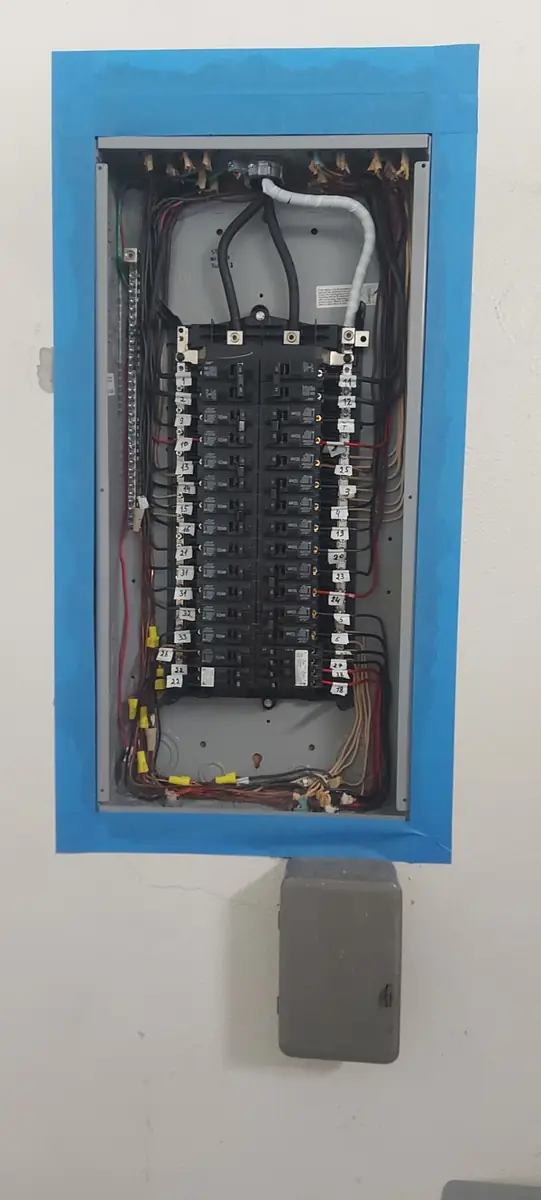
- Outdated electrical panels (Zinsco or Federal Pacific): Homes built between 1950 and 1980 often still harbor Federal Pacific Electric (FPE) Stab-Lok or Zinsco panels. These panels have well-documented design defects where breakers fail to trip during overcurrent events, creating an extreme fire hazard.
- Discolored or hot switch plates: If an outlet cover feels warm to the touch or shows brown, scorched discoloration, arcing is occurring inside the junction box.
- Missing grounds (Two-prong outlets): Many older homes still feature ungrounded, cloth-insulated wiring. Running modern computers, entertainment systems, and appliances on ungrounded circuits risks equipment damage and electrical shock.
- Adding an EV charger or heat pump: Electric vehicles, mini-split heat pumps, and induction cooktops place massive continuous loads on your service. If your home still operates on a 60-amp or 100-amp main service, an upgrade to a 200-amp panel is essential before adding these loads.
Electrical Costs and Permit Realities in Los Angeles
Homeowners often wonder why estimates vary so widely between contractors. Transparent contractors do not hide their pricing structure; they explain the technical factors that dictate the bill.
What Drives Electrical Costs?
- Permit and Inspection Fees: In Los Angeles, LADBS charges permit fees based on the scope of work (e.g., service panel upgrade, adding subpanels, running dedicated circuits). Municipal plan checks and inspections ensure the installation is safe, but they add administrative steps and fees to the overall cost.
- Service Drop and Trenching Requirements: If upgrading from 100A to 200A requires moving an underground conduit or upgrading an overhead service mast to meet modern clearance guidelines from power lines, civil and structural labor increases the project scope.
- Materials Quality: Professional-grade copper conductors, heavy-duty commercial meter bases, and AFCI/GFCI breakers cost significantly more than cut-rate hardware, but they prevent nuisance tripping and premature equipment failure.
Typical Cost Ranges in the Los Angeles Area
- Dedicated 240V Circuit Installation (EV Charger, Dryer, Oven): Typically ranges from $600 to $1,800, depending on the distance from the main panel, conduit routing, and crawlspace or attic access.
- Main Service Panel Upgrade (100A to 200A): Typically ranges from $3,200 to $6,500+. Variables include whether LADWP must upgrade the utility drop, whether the meter needs relocation to satisfy clearance codes, and any required stucco patching.
- Whole-Home Rewiring: For mid-sized older homes replacing knob-and-tube or ungrounded wiring, costs generally range between $9,000 and $20,000+ depending on square footage, home accessibility, and finish repairs.
For an accurate, transparent quote tailored to your property, you can request a free estimate directly through our team.
Frequently Asked Questions
How do I verify a C-10 electrical contractor's license in California?
Visit the California Contractors State License Board website at cslb.ca.gov and select "Check a License." Search by the contractor's business name or license number. Confirm that the status is "Active," that the classification includes "C-10," and that valid Workers' Compensation and general surety bonds are on file.
Do I need a permit from LADBS for minor electrical work?
Under the Los Angeles Building Code, most electrical work that involves adding new circuits, replacing service panels, installing EV charging stations, or altering existing wiring requires an electrical permit and subsequent inspection by LADBS. Simple replacements of identical devices (such as swapping a standard light switch or replacing an existing light fixture like-for-like) typically do not require a permit.
What happens if an unlicensed contractor causes an electrical fire?
If an unpermitted, non-code-compliant electrical installation done by an unlicensed worker causes property damage or a fire, your homeowners insurance carrier may investigate the cause. If they discover negligence or unpermitted structural alterations, they have grounds to deny the claim, leaving you entirely responsible for repair and replacement costs.
How long does a 200-amp panel upgrade take in Los Angeles?
The physical installation of a new electrical panel usually takes one full working day, during which power is disconnected for several hours. However, the end-to-end timeline—including engineering clearance, LADBS permit issuance, final city inspection, and the final LADWP service hookup/meter unlock—can take anywhere from two to six weeks depending on municipal scheduling.
Choose Experience You Can Trust Since 1991
Your home's electrical infrastructure is not the place to gamble with unverified handymen or corner-cutting contractors. Faulty wiring remains one of the top causes of residential structure fires across the United States. Working with a dedicated, experienced professional ensures your home operates safely, reliably, and fully compliant with California code.
At AA Electrical Services, we have served property owners across Los Angeles, Sherman Oaks, Encino, Pasadena, Santa Monica, and surrounding communities for more than three decades. Whether you need an emergency repair, a heavy-up panel upgrade, or commercial wiring, our licensed team is ready to help.
Ready to get started? Call us today at (818) 437-6736 or contact us online to schedule a consultation, or visit our online estimate page to request your quote today.