LA Meter Stack Replacement & Multi-Unit Panel Upgrades
A guide for Los Angeles landlords and commercial building owners on meter stack replacements, tenant panel upgrades, LADBS permitting, and electrical safety.
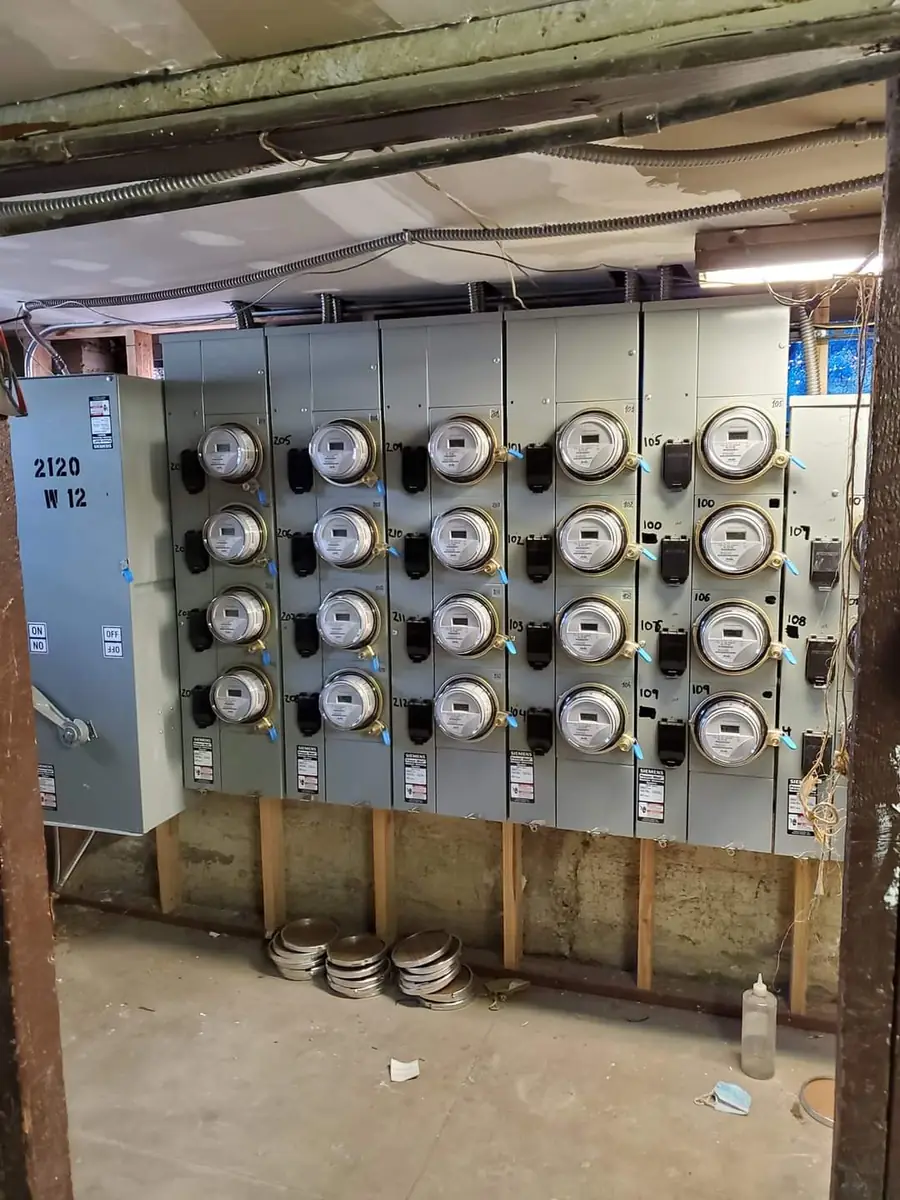
Managing a multi-family building, strip mall, or commercial office in Southern California comes with relentless operational demands. If you manage properties built between the 1950s and 1980s in Koreatown, North Hollywood, West LA, or Glendale, your electrical system is likely operating on borrowed time. Modern tenants do not live like tenants did forty years ago; they run high-draw induction cooktops, dual portable air conditioners, server racks, and need charging stations for their electric vehicles. When tenant complaints spike or circuit breakers trip under peak summer loads, hiring an experienced commercial electrician in Los Angeles is no longer optional—it is a critical property-preservation measure.
At AA Electrical Services, we have handled multi-family and commercial service upgrades across the Los Angeles basin since 1991. We see firsthand what happens when an aging multi-tenant meter pack is pushed past its engineered threshold. Here is an honest, field-tested guide to how a meter stack replacement and apartment panel upgrade protect your asset, maintain insurance compliance, and future-proof your rent rolls.
Why Multi Unit Electrical Service Demands Are Escalating in Los Angeles
Many apartment complexes across Los Angeles, Pasadena, and Santa Monica still operate on original 200-amp to 600-amp shared electrical services split across 6 to 20 units. That leaves individual apartments with as little as 30 to 40 amps of usable service. Today, a single ductless mini-split HVAC system and a full-size refrigerator can push those vintage circuits right to their thermal limits.
Modern Plug Loads vs. Vintage Electrical Infrastructure
Decades ago, a 30-amp or 60-amp tenant subpanel was designed to handle a handful of incandescent light bulbs, a small television, and a radio. Today, modern residential units demand 100-amp service minimum to support:
- Ductless heat pumps and multi-zone air conditioning.
- High-draw kitchen packages (electric ranges, dishwashers, high-wattage microwaves).
- Dedicated circuits for home offices, computers, and networked equipment.
- In-unit washers and dryers replacing communal laundry setups.
When tenant panels lack capacity, residents resort to dangerous workarounds like multi-plug adapters and daisy-chained extension cords. This creates localized heat points, burns out junction boxes, and introduces massive liability risks for the landlord.
The Failure Risks of Deteriorating Meter Centers
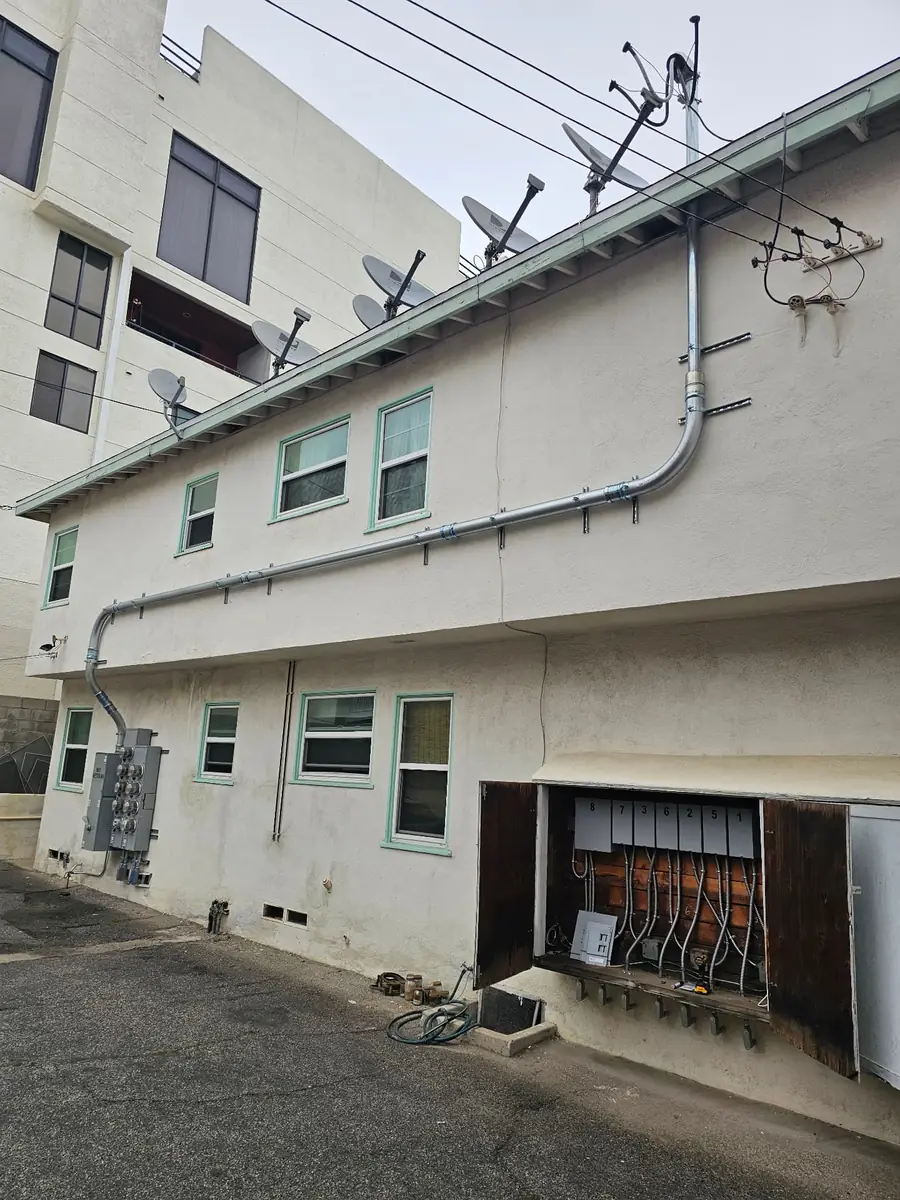
Commercial meter stacks (meter centers or meter banks) live outdoors where they face rain, coastal fog, and extreme Southern California heat cycles. Over 30 to 50 years, thermal expansion and contraction loosen the spring tension on meter jaws. Once a meter socket loses its tight grip on the utility meter blades, electrical arcing begins.
Arcing generates intense localized heat that melts meter sockets, chars internal busbars, and eventually fuses metal components together. When a main horizontal or vertical busbar fails inside a gang-meter enclosure, the utility company (such as LADWP or Southern California Edison) cannot safely restore power until the entire assembly is replaced and signed off by the local building inspector.
Meter Stack Replacement vs. Apartment Panel Upgrade: What Is the Difference?
Property owners often ask whether they need to overhaul the entire building's service or simply update the subpanels inside the tenant spaces. These two upgrades serve distinct functions, though they frequently go hand-in-hand during major capital improvements.
| Upgrade Type | Scope of Work | Primary Purpose | Common Triggers | | :--- | :--- | :--- | :--- | | Meter Stack Replacement | Main exterior electrical room or exterior wall; main disconnects, busbars, and utility meters. | Distributes power safely from utility lines to individual tenant feeds. | Arcing meter jaws, obsolete gear (Zinsco/FPE), failing main lugs, utility service upgrades. | | Apartment Panel Upgrade | Interior subpanels inside tenant units; branch circuit breakers. | Safely distributes power to individual unit outlets, lights, and appliances. | Tripping breakers, lack of breaker spaces, adding mini-splits, insurance company mandates. |
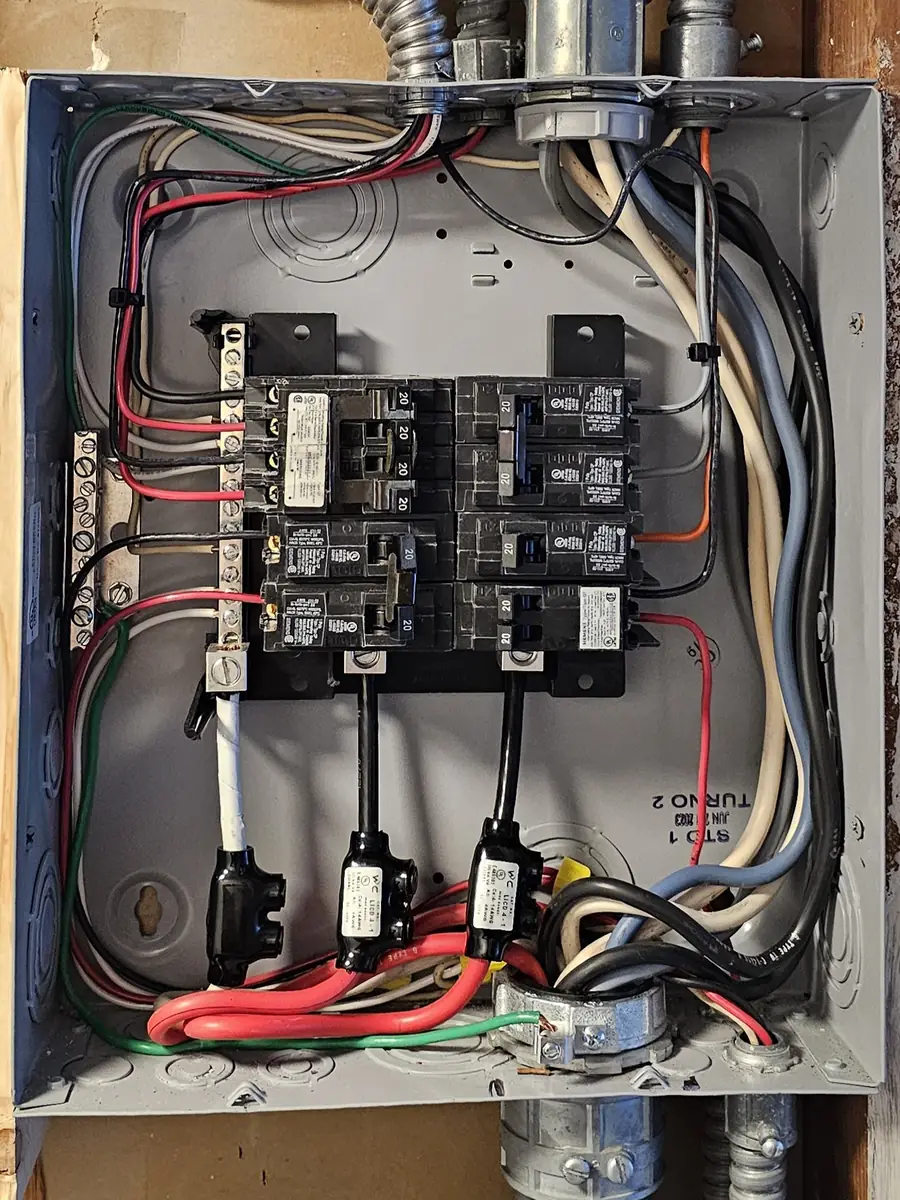
In a complete multi unit electrical service modernization, our team typically replaces the exterior service entrance, main service disconnect, and modular meter stacks, then pulls properly sized feeder conductors to upgraded 100-amp or 125-amp load centers inside each individual tenant apartment.
Learn more about our comprehensive commercial and residential capabilities on our electrical services page.
Critical Signs You Should Not Delay Service Replacement
Delaying commercial electrical work usually leads to emergency middle-of-the-night outages that cost significantly more than planned upgrades. Inspect your building's exterior service equipment and tenant panels for these clear red flags:
- Hazardous Equipment Brands: If your property uses Federal Pacific Electric (FPE) Stab-Lok, Zinsco, or obsolete Bulldog Pushmatic hardware, insurance underwriters are actively non-renewing policies throughout California. These panels have documented failure rates where breakers fail to trip during overcurrent events.
- Discoloration or Burning Smells Around the Meter Bank: Char marks around the meter glass, melting plastic rings, or an ozone/metallic smell near the service gear indicate active electrical arcing.
- Frequent Tenant Complaints of Flickering Lights: If lights in multiple tenant units dim simultaneously when a neighbor's air conditioning kicks on, your primary service conductors or shared neutral bus may be overloaded or degrading.
- Corrosion and Water Intrusion: Water pooling inside exterior NEMA 3R enclosures, heavy rust along bottom gutters, or water entering through roof weatherheads will eat away the tin-plated aluminum or copper busing.
- Code Deficiencies Flagged During Tenant Turnover: When pulling permits for unit kitchen remodels or ADU additions, city inspectors from the Los Angeles Department of Building and Safety (LADBS) often require that existing undersized service gear be brought up to current California Electrical Code standards.
Permitting, Utility Coordination, and Investment Realities
Upgrading multi-tenant electrical infrastructure is a coordinated engineering project. It cannot be done casually or without municipal oversight.
The LADBS and Utility Approvals Process
In the City of Los Angeles, any apartment panel upgrade or multi-meter work requires plan checks, permits from LADBS, and careful coordination with the utility provider:
- Load Calculations & Engineering: We calculate total connected loads, continuous loads, and demand factors per NEC Article 220 to determine the appropriate service size (e.g., 400A, 800A, 1200A, or larger).
- Plan Check Submission: For services above 400 amps or complex multi-tenant installations, LADBS requires electrical plan check review.
- Utility Service Planning: We submit a service order request to LADWP, Burbank Water & Power, Glendale Water & Power, or SCE. The utility verifies transformer capacity, drop locations, and fault current values.
- Permitted Installation & Inspection: Our licensed electricians complete the installation, coordinate the scheduled shutdown, and pass the rough and final municipal inspections.
- Utility Meter Release: Once LADBS issues a "meter release" to the utility, the utility sets new digital meters and re-energizes the main feed.
What Drives Project Costs?
No two commercial sites are identical, which is why trustworthy contractors do not give flat estimates over the phone without a physical site audit. Key cost drivers include:
- Amperage and Meter Count: A 4-meter, 400-amp stack costs significantly less in hardware and labor than an 18-meter, 1200-amp center.
- Conduit and Feeder Runs: If tenant subpanels need to be upgraded and the original feeder wiring is cloth-sheathed or undersized, new EMT conduit and copper feeders must be routed to each unit.
- Overhead vs. Underground Service: Underground conversions or trenching across concrete parking areas to meet utility transformer requirements add civil engineering costs.
- Working Clearance Upgrades: Older panels mounted in tight alleyways or narrow utility closets may no longer comply with NEC 110.26 working clearances, requiring panel relocation.
Planning your capital improvement budget? You can request a transparent, detailed estimate tailored to your specific commercial property layout.
Frequently Asked Questions
How long will tenant power be shut off during a meter stack replacement?
We minimize tenant disruption through staged installation. The physical utility power cut typically lasts between 8 to 24 hours on the scheduled day of switchover, depending on whether the utility needs to change drop wires or transformers. We build out as much conduit, racking, and sub-feed preparation as possible prior to the utility disconnect day so your tenants remain powered up until the moment of cutover.
Can upgrading our meter stack support future on-site EV chargers?
Yes. In fact, future EV charging is one of the leading reasons LA building owners undertake a meter stack replacement. During engineering, we can design the main service to include dedicated house meters, sub-feed lugs, or specialized EV distribution panels, allowing you to install Level 2 chargers without having to redo the service later.
Will our commercial property insurance drop us if we do not replace old panels?
Many California insurance carriers now conduct mandatory inspections or send renewal questionnaires explicitly asking about Federal Pacific, Zinsco, and fuse boxes. If your building contains these obsolete panels, carriers will often issue a strict 30-day notice to remediate or face policy cancellation. Upgrading to modern Eaton, Square D, or Siemens commercial gear satisfies insurance requirements and protects you against denied fire claims.
What is the difference between LADWP and SCE meter stack requirements?
LADWP and Southern California Edison maintain completely different service entrance manuals (rules and test standards). LADWP has specific requirements for meter heights, pull cans, busbar configurations, and switchboard clearances that differ from SCE territories like Culver City, Santa Monica, or Long Beach. A seasoned commercial electrician in Los Angeles must be thoroughly versed in the specific utility book for your address to avoid costly installation rejections.
Partner with Licensed Los Angeles Commercial Electrical Specialists
Your electrical service gear is the heart of your building's operation. When neglected, it exposes your tenants to fire danger and exposes you to costly municipal code citations, tenant rent-withholding claims, and insurance cancellations.
Since 1991, AA Electrical Services has provided clean, code-compliant, and dependable electrical solutions for property owners across the San Fernando Valley and the greater Los Angeles area. Whether you need a full multi-tenant apartment panel upgrade, a modular meter stack replacement, or an urgent service safety inspection, our team delivers the licensed expertise your commercial property requires.
Call our local office directly at (818) 437-6736 or visit our online contact page to discuss your project. You can also request a free estimate today to schedule an on-site evaluation of your multi-unit electrical equipment.