Generator Installation Los Angeles: Home Backup Options
Compare standby generators, home battery backup, and transfer switch installation for Los Angeles homes. Learn permit rules, real costs, and safety advice.
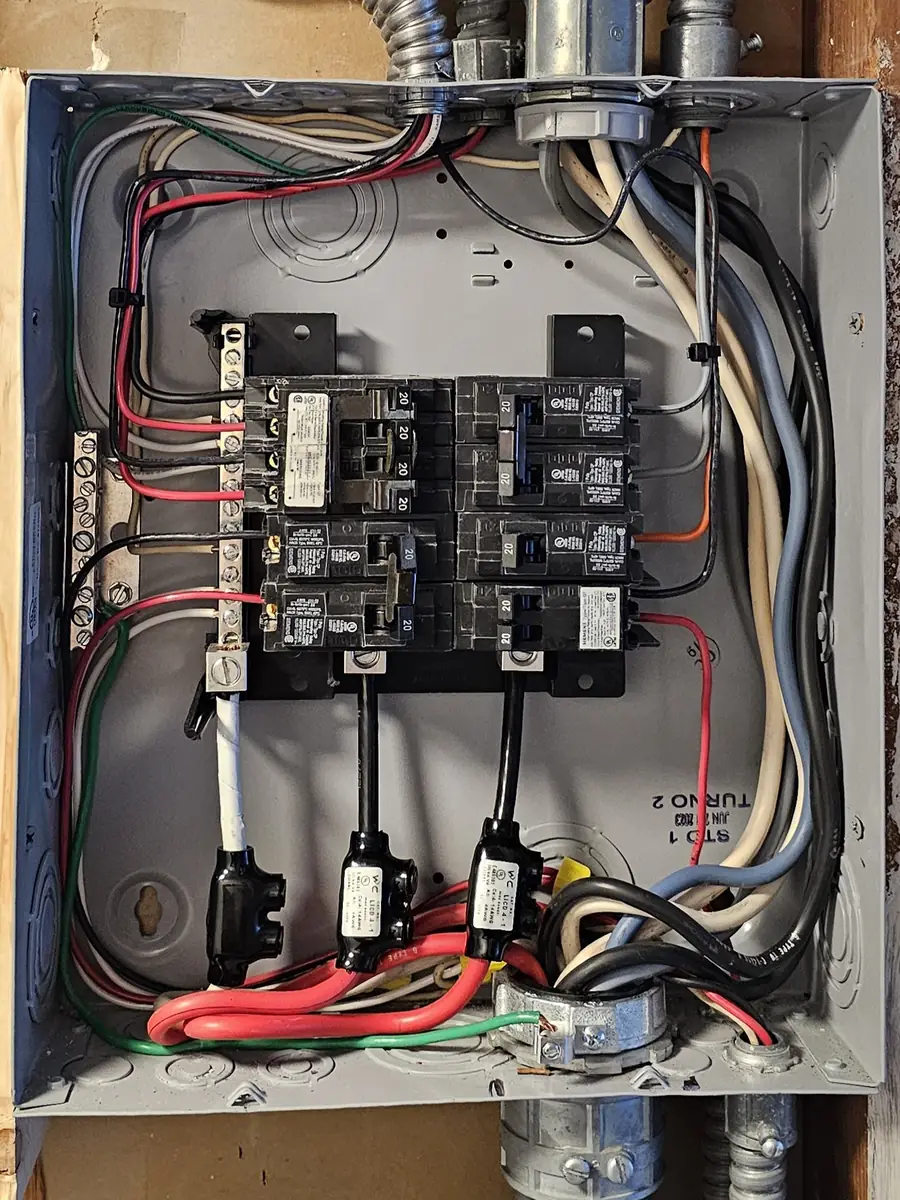
Between seasonal heat waves straining the power grid, sudden transformer blowouts, and rolling Public Safety Power Shutoffs (PSPS) in high-fire wind zones, blackouts are no longer rare events across Southern California. When the grid fails, a properly designed generator installation in Los Angeles keeps your refrigerator cold, medical devices running, home office connected, and HVAC operational.
Choosing the right system means understanding the trade-offs between standby generators, battery storage, and manual setups. As a licensed C-10 contractor serving homeowners from Pasadena to Santa Monica since 1991, AA Electrical Services knows firsthand how local housing stock, service panel sizing, and city codes influence your emergency power options.
Understanding Your Backup Power Options in Los Angeles
Every home in neighborhoods like Sherman Oaks, Glendale, or Encino has unique energy demands. Deciding between gas-powered mechanical equipment and chemical energy storage comes down to run-time needs, available property space, and budget.
Whole-Home Standby Generators
Standby generators are permanently mounted outside your home on a concrete or composite pad. Connected directly to your natural gas line or an on-site propane tank, they monitor incoming utility power 24/7. When the utility feed drops, an automatic mechanism starts the engine and restores power to your designated circuits within 10 to 20 seconds.
- Pros: Indefinite run time as long as natural gas flows; capable of starting heavy 4-ton or 5-ton central AC compressors.
- Cons: Requires clear outdoor setback clearances under local fire and building codes; annual mechanical engine maintenance is necessary.
Modern Home Battery Backup Systems
A home battery backup system stores power from either the electrical grid during off-peak hours or rooftop solar panels. Wall-mounted units run silently with zero emissions, making them ideal for dense LA neighborhoods with tight property lines.
- Pros: Instantaneous cutover (your clocks won't even reset); silent operation; zero emissions; can offset peak utility rates under Time-of-Use (TOU) billing.
- Cons: Finite capacity. Once depleted during a multi-day storm or regional outage, they cannot recharge without sufficient solar production.
Portable Generators with a Dedicated Transfer Switch
For homeowners seeking essential protection without the capital cost of a whole-house unit, a heavy-duty dual-fuel portable generator paired with a manual transfer switch provides a dependable middle ground. You wheel the unit outdoors during an outage, plug it into an exterior power inlet box, and flip individual breakers to keep lights, refrigerators, and Wi-Fi alive.
Why Transfer Switch Installation Is Non-Negotiable
No matter which power source you select, transfer switch installation is required by the National Electrical Code (NEC) and California Electrical Code (Title 24). A transfer switch isolates your home circuits from the main utility grid before generator or battery power enters the panel.
The Critical Safety Hazard of Backfeeding
Plugging a generator directly into a standard dryer outlet or breaker without a transfer switch is illegal and dangerous—a practice known as backfeeding. Backfeeding sends high-voltage electricity backward through your utility transformer, stepping up 240 volts back to thousands of volts on neighborhood distribution wires. This can electrocute LADWP or Southern California Edison line technicians working down the street to restore your service.
Manual vs. Automatic Transfer Switches (ATS)
- Automatic Transfer Switches (ATS): Paired with permanent standby generators and battery systems, an ATS senses grid failure instantly, starts the generator, disconnects the grid, and energizes the house automatically. It returns to grid power once stable service is confirmed.
- Manual Transfer Switches (MTS): Installed alongside your main panel, an MTS requires you to manually shift interlocked switches from "Line" to "Gen." They are cost-effective, code-compliant, and prevent simultaneous connection to utility lines.
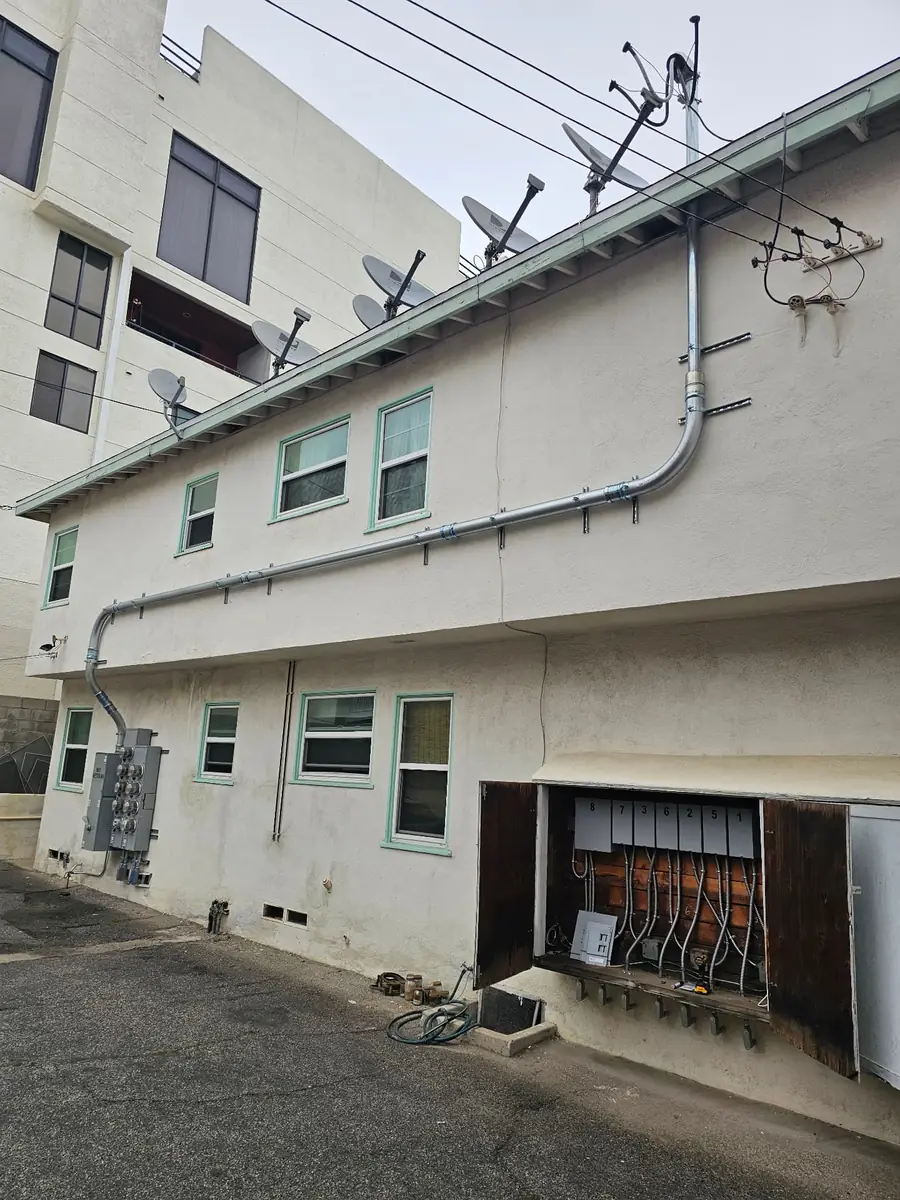
Generator Installation Los Angeles: System Comparison
Use this quick checklist to see which setup matches your household priorities:
| Feature | Portable + Transfer Switch | Whole-House Standby Generator | Home Battery Backup | | :--- | :--- | :--- | :--- | | Fuel Source | Gasoline / Portable Propane | Natural Gas / Fixed Propane | Stored Electricity / Solar | | Switchover | Manual (10–15 mins setup) | Automatic (10–20 seconds) | Instantaneous (<1 second) | | Noise Level | Loud (68–78 dBA) | Moderate (62–68 dBA) | Completely Silent | | Maintenance | Oil changes, fuel stabilizer | Annual certified tune-up | Minimal electronic checks | | Permits Required | Electrical inlet permit | Building, Electrical, Plumbing | Electrical, Solar/ESS permit | | Best Suited For | Essentials & budget conscious | Full-home comfort & large AC | Solar owners & quiet zones |
Signs You Should Not Wait to Install Backup Power
Postponing backup power until storm warnings appear often leads to rushed work, permit delays, and sold-out equipment. Schedule an evaluation with a backup power electrician immediately if:
- Your neighborhood experiences frequent safety shutoffs: Homes in hillside communities like Studio City, La Cañada Flintridge, and Burbank are routinely subjected to high-wind fire-prevention shutoffs.
- You rely on life-safety or medical equipment: CPAP units, motorized oxygen concentrators, and refrigerated medications cannot sit through an unexpected 8-hour blackout.
- You have an aging main service panel: If your panel still uses Zinsco, Federal Pacific Electric (FPE), or outdated 100-amp split-bus hardware, it cannot safely accept an interlock or secondary generation source without an upgrade. Explore our comprehensive services to see how panel modernization works.
- You work remotely full-time: Dropped connections mean lost billing hours, corrupted project files, and stalled business operations.
- Basement or hillside sump pumps protect your foundation: When severe atmospheric rivers hit LA, power cuts often take down sump pumps precisely when ground runoff is at its worst.
Permitting and Real Cost Factors in Los Angeles
Clear, realistic pricing depends on physical infrastructure rather than a generic flat rate. In the greater Los Angeles area, total backup installation costs are determined by several trade-specific variables:
- Panel Capacity and Space: A modern 200-amp panel with physical space for a breaker interlock is straightforward. An obsolete 100-amp panel will need a service upgrade before adding a generator sub-panel.
- Gas Line Capacity and Distance: Standby generators consume substantial natural gas under full electrical load. If your gas meter cannot deliver adequate pressure, your gas utility must install an upgraded diaphragm meter, and larger-diameter pipe must be trenched to the generator location.
- Permits and Local Plan Checks: The Los Angeles Department of Building and Safety (LADBS)—or local city departments in Glendale, Burbank, or Beverly Hills—requires electrical plan review, equipment anchoring inspections, and clearance checks. Permitting typically runs several hundred dollars depending on the scope.
- Price Ranges: A code-compliant manual transfer switch with an exterior inlet box generally costs between $1,800 and $3,500 installed with permits. Permanent standby generator systems typically range from $9,000 to $18,000+ depending on unit kilowatt capacity, trenching, and gas work. Battery backup storage units paired with hybrid inverters typically range from $12,000 to $22,000+ per battery pack before applicable federal clean energy tax credits.
Frequently Asked Questions About Home Backup Power
Can I run my central air conditioning during an outage?
Yes, but it depends on equipment capacity and starting amps. AC compressors require a massive surge of current to start. With an automatic standby generator or battery storage system, a licensed electrician can install a "soft start" kit on your compressor. This reduces starting current spikes by up to 60%, allowing a smaller generator or battery to handle your cooling demands without stalling.
Do I need a permit from LADBS for a backup generator or battery?
Yes. LADBS requires an electrical permit for any permanent transfer switch, inlet box, or battery storage system. Standby generators also require plumbing/mechanical permits for fuel lines and compliance with noise and setback regulations (often a minimum distance from property lines and bedroom windows).
What is the main difference between a home battery backup and a standby generator?
A standby generator creates power on demand by burning a fuel supply (natural gas or propane) and can run continuously for days. A battery backup stores limited energy from the grid or solar panels. Batteries provide immediate, silent, zero-emission electricity, but they stop once discharged unless solar arrays replenish them.
Why can't I just plug a generator into a standard wall outlet?
Plugging a portable generator into a regular household receptacle using a double-male cord (suicide cord) is an extreme safety and fire hazard. It bypasses panel breaker protection, risks melting in-wall branch wiring, and backfeeds power onto neighborhood utility lines, creating lethal shock conditions for utility repair crews.
Protect Your Home with AA Electrical Services
Cutting corners on emergency power puts your home, family, and neighborhood utility workers at risk. Since 1991, AA Electrical Services has delivered clean, code-compliant, permitted electrical installations across Los Angeles.
Whether you need a dedicated manual transfer switch, panel load analysis, or full standby generator planning, trust an experienced contractor who gets the job done right the first time. Have questions about your home panel? Contact our team today.
Call AA Electrical Services at (818) 437-6736 or request an estimate online to design the right backup power system for your property.